

The Tragic Shooting of Keith Porter Jr.: A Community’s Heartbreak
When Adrian Metoyer first heard government officials labeling his best friend, Keith Porter Jr., as an “active shooter,” he felt a surge of rage. This characterization clashed violently with the beloved image Porter held in the hearts of those who knew him.
A Life Full of Joy
Keith Porter Jr. was not just a name to his friends and family; he was a vibrant presence. Often described as a jack of all trades, Porter held several jobs over the years, working tirelessly to support his two daughters, aged 10 and 20. He was not only a devoted father, but also an avid fisherman and a die-hard fan of the San Francisco 49ers. Friends and relatives remembered him for his infectious humor, likening him to a performer capable of eliciting laughter through his “goofy” antics.
The Night of the Shooting
On New Year’s Eve, the tragic incident unfolded at Village Pointe Apartments in Northridge, where Porter was shot and killed by an off-duty U.S. Immigration and Customs Enforcement (ICE) officer. Reports indicated that he may have been firing a gun into the air, a practice often condemned due to the risks associated with falling bullets. This act, while illegal, is not uncommon during New Year’s celebrations in Los Angeles.
Contradicting Narratives
Porter’s loved ones vehemently contest the narrative presented by government officials, who claimed he was an active threat. They argue that Porter was merely celebrating the new year and posed no danger to the community. Metoyer voiced his disbelief at the official narrative: “That is far from the truth… Calling the officer a hero, before any investigation had been conducted … this is ridiculous.”
Tricia McLaughlin, the chief spokeswoman for the U.S. Department of Homeland Security, stated that Porter was suspected of being an “active shooter” and was killed following an exchange of gunfire. However, loved ones maintain that Porter was not antagonizing anyone and deserve to see the incident through a different lens.
The Aftermath and Community Response
In the aftermath of Porter’s death, community activists rallied to support his family, holding vigils and demanding accountability. Friends and advocates pointed to systemic issues within federal law enforcement under the Trump administration, suggesting that Porter’s killing exemplifies a larger trend of unnecessary use of force.
Jamal Tooson, the family’s attorney, expressed skepticism about the justification for the shooting. He argued, “What should have been an arrest and possible citation has turned into a death sentence.” Tooson also highlighted witness accounts that questioned whether there was any exchange of gunfire between Porter and the off-duty agent, raising further concerns about how the situation was handled.
The Family’s Narrative
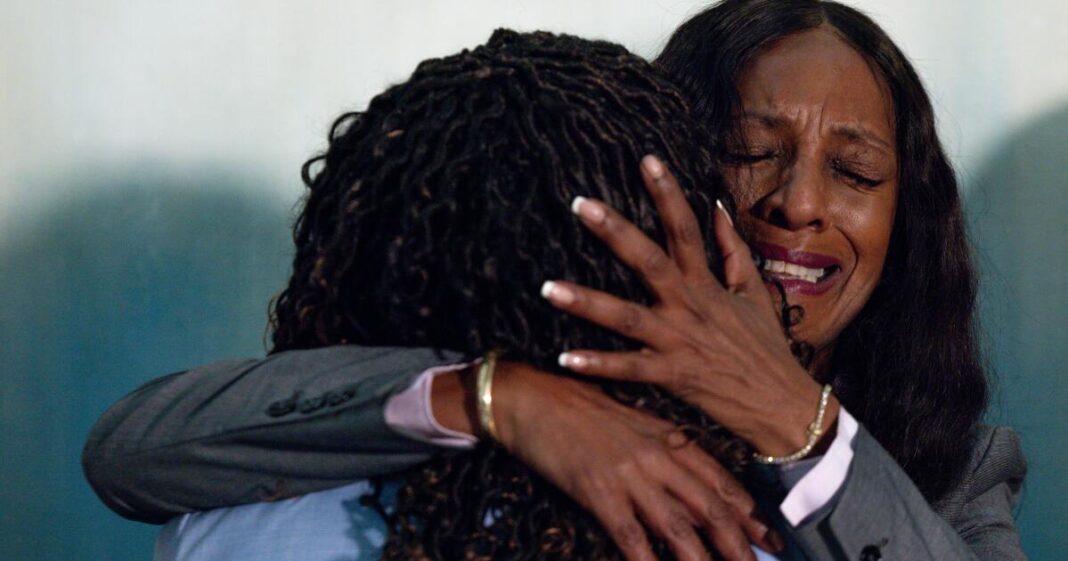
Keith’s mother, Franceola Armstrong, fiercely defended her son’s character, recalling the warmth and love he brought into the lives of those around him. “He was not a threat… Anyone who comes in contact with my baby has nothing to say but love,” she asserted.
Armstrong described her close bond with Porter, noting they lived together until about a year ago. Porter had moved to be closer to his girlfriend, continuing to strive for better circumstances for himself and his daughters despite his challenging upbringing. Metoyer recounted how their friendship blossomed at Verbum Dei High School, where they shared a passion for sports and a mutual drive to improve their lives.
Life Beyond the Gunfire
Porter’s journey was fraught with struggles; his family had worked hard to keep him away from a life entangled with gangs, particularly given his father’s past associations. Despite these efforts, the cruel irony of his life’s end underscores the complexities of his reality—one marked by a desire for a brighter future yet hindered by societal challenges.
The shooting has sparked discussions about the broader implications of policing, immigration enforcement, and community safety. As loved ones continue to advocate for Porter’s legacy, they also challenge the systems that make such tragedies possible.
The hauntingly personal nature of this story emphasizes the need for deeper introspection on community safety, systemic bias, and the narratives surrounding those who tragically lose their lives to violence.