
Noma’s Los Angeles Pop-Up Amidst Allegations and Protests
The culinary world is abuzz as the celebrated Copenhagen restaurant Noma prepares for its much-anticipated pop-up in Los Angeles. With seats priced at $1,500 per guest, the event is sold out and is set to commence on Wednesday evening. Yet this high-profile celebration is overshadowed by resurfaced allegations of abuse and an expected protest, raising critical discussions within the restaurant industry about systemic imbalances and the treatment of workers.
A Spokesperson’s Assurance
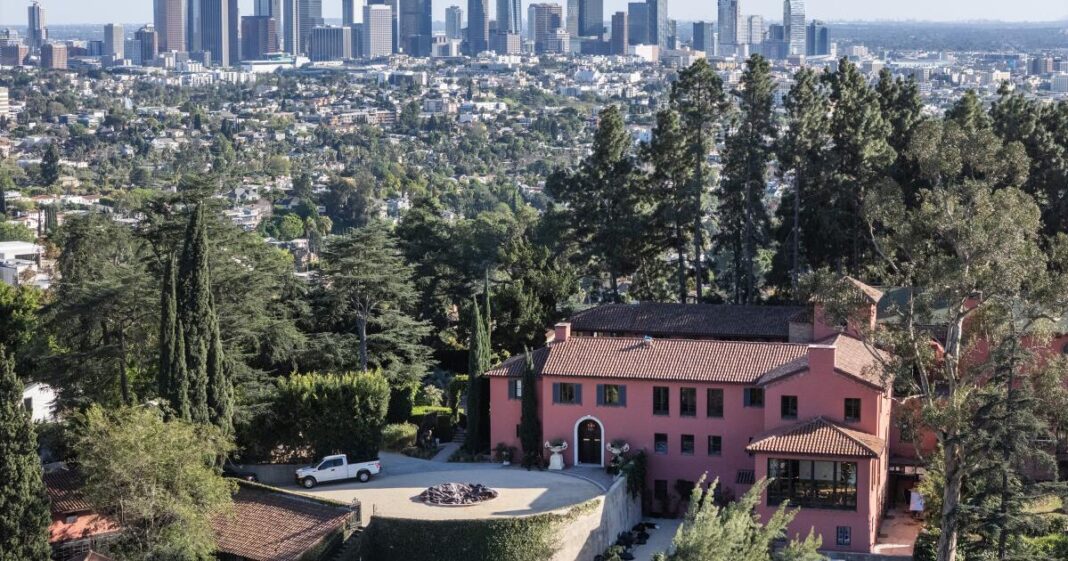
Noma’s spokesperson firmly expressed that despite the surrounding controversy, the plans for the restaurant’s 16-week appearance in Silver Lake will remain unchanged. This stance, however, has not alleviated growing tensions among former employees and advocates calling for better working conditions in the hospitality sector.
The Allegations Take Center Stage
The airwaves have been filled with disturbing accounts from former Noma employees, many of whom have shared their experiences of physical, verbal, and emotional abuse during their time at the restaurant. Spearheaded by Jason Ignacio White, a previous head of Noma’s fermentation lab, a series of anonymous messages detailing these experiences have circulated on Instagram. In a recent New York Times article, interviews with 35 former staff members revealed a troubling pattern of humiliation and intimidation that reportedly occurred between 2009 and 2017.
Redzepi’s Public Apology
Chef and co-founder René Redzepi has publicly acknowledged the harm caused and offered an apology to those affected by his actions. He emphasized that Noma has since implemented initiatives to rectify past practices, including paying interns. Yet his statement garnered mixed reactions, highlighting a broader debate on accountability within the culinary community.
Industry Reactions: Support and Skepticism
Responses to Redzepi’s apology have varied wildly. Some prominent figures in the industry, like Pasta Bar chef-owner Phillip Frankland Lee, expressed a desire to support Redzepi’s growth, emphasizing the importance of reflection and improvement. “You’re supposed to be better today than you were yesterday,” he stated, suggesting that as a society, there should be room for forgiveness intertwined with accountability.
Conversely, others, including Uyên Lê, the chef-owner of Bé Ù, criticized Redzepi’s statement as insincere, suggesting it might have been more about P.R. strategy than genuine reflection. Her perspective emphasizes the need for systemic change rather than focusing solely on individual accountability, calling for a cultural shift within the industry.
Growing Public Dissent
As the pop-up opening approaches, plans for a protest led by Jason Ignacio White and worker-advocacy group One Fair Wage are underway. The demonstration not only aims to address the allegations against Noma but also advocates for fair compensation across the restaurant industry. Organizers intend to present an open letter to Redzepi highlighting these concerns.
Noma acknowledged the right to protest, stating that while they support the dialogue surrounding industry standards, they also recognize that their progress could have come sooner.
The Wider Context: A Culture of Abuse
The allegations against Noma have reignited discussions about the treatment of workers in the restaurant industry. Lindsey Danis, a former worker from the Bay Area, shared her experiences of volatile work environments, describing them as familial dysfunction. Such experiences resonate with patterns observed by Ellen Meiser, a sociologist studying abuse in culinary settings, who highlights the hierarchical structures that often permit abusive behavior.
Meiser’s research underscores that while awareness of these issues has increased, tangible solutions remain elusive. Interns and entry-level employees may endure long hours with little to no pay, all for the sake of working alongside esteemed chefs, perpetuating a culture that often prioritizes prestige over people.
Challenging the Status Quo
Voices within the industry and academia are clamoring for change. Danis articulates a desire for diners to hold chefs accountable, stressing that culinary excellence shouldn’t excuse poor treatment of workers. She emphasizes that the need for transformation should focus on fostering a work environment that is respectful and dignified for all.
In essence, as the Noma pop-up approaches, it stands as a focal point of both celebration and critique, illuminating critical issues that have long plagued the restaurant industry’s fabric. The ongoing discussions surrounding abuse, accountability, and cultural transformation are as vital as the culinary innovations that Noma is famed for. The path ahead demands a collective reevaluation of values—a journey that may very well shape the future of hospitality itself.