

Chaotic California Christmas: The Impact of Heavy Rains and Flooding
Introduction to the Storm
As Christmas approached, Southern California was gripped by a relentless storm, characterized by heavy rain and hazardous weather conditions. The city of Los Angeles was at the center of this meteorological chaos, with Flash Flood Warnings issued across the metro area.
Flash Flood Warnings and Evacuations
On Christmas Eve, widespread alerts were announced as a significant weather system swept through the region. The National Weather Service (NWS) urged residents to stay alert, especially those living in regions prone to flooding. Unfortunately, this rainy holiday season also coincided with one of the busiest travel days of the year, complicating matters for many.
Residents quickly became aware of the dangerous conditions as emergency crews responded to reports of mudslides and flooding in vulnerable areas. The situation escalated to the point where the California Governor declared a State of Emergency for various counties, allowing for prepositioning of resources necessary for disaster response.
The Risks of Saturated Soils
The continued rain, which some reports indicated could reach heights of 1 to 2 inches, further heightened the risk of flooding and mudslides. Saturated soil from previous storms created perfect conditions for a more severe impact from rainfall, particularly in regions scarred by past wildfires.
Mudslides and Road Closures
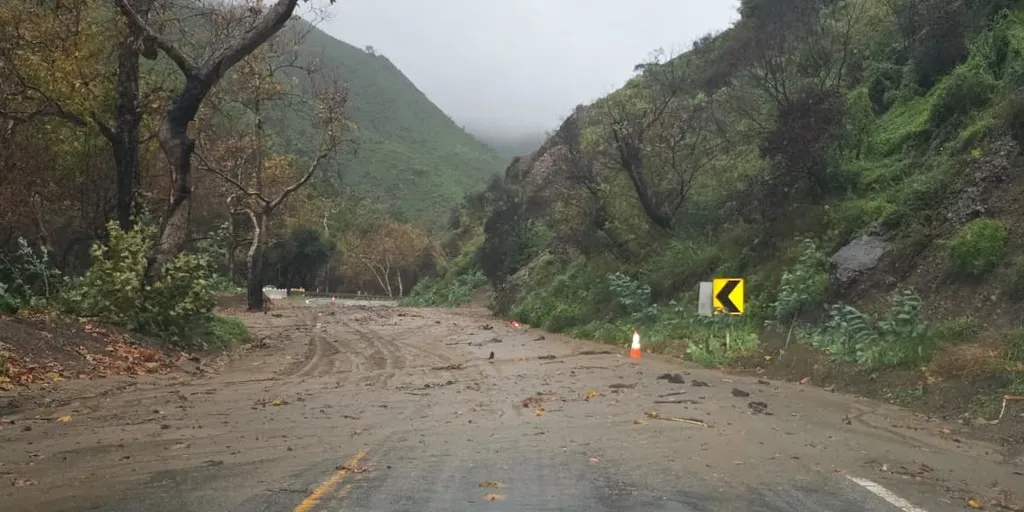
In the aftermath of the storm, the Los Angeles area witnessed notable mudslides that washed out critical infrastructure, including State Route 2 near Wrightwood. Evacuations in these parts were reported as emergency responders conducted door-to-door checks to ensure residents in peril were safely evacuated.
Additionally, Topanga Canyon Boulevard, a vital link between the Pacific Coast Highway and San Fernando Valley, was closed due to mudslides. With rain rates surpassing 1.25 inches per hour in some localities, it wasn’t just drivers who were warned; the air pressure was heavy with anxiety as the storm’s effects continued to unfold.
Preparation and Community Response
Before the storm struck, residents of affected areas had been proactive—many visiting locations for sandbags provided by local authorities. The Los Angeles County Department of Public Works took the lead in distributing sandbags in communities at high risk for flooding.
Pictures from the local press showed residents diligently placing sandbags in preparation for the impending storm, illustrating a community rallying to protect homes and lives. Public service announcements reminded citizens of the importance of taking the warnings seriously.
Evacuations and Safety Protocols
With emergency services already stretched thin from previous storms, first responders were quick to request additional crews to assist in evacuations. Communities near burn scars from past wildfires were particularly susceptible to dangers, prompting officials to issue warnings well before the storm made landfall.
The Los Angeles Fire Department continued monitoring the situation, issuing updates and maintaining a vigilant watch over potential debris flows that could affect neighborhoods like Malibu, Pacific Palisades, and Sierra Madre.
The Meteorological Context
The Pacific coast has always been prone to storms, but this particular one stood out due to its intensity and timing. The National Weather Service categorized this weather event as potentially life-threatening, marking it as an exceptionally hazardous holiday season in Southern California.
Conclusion of This Event
As the storm moved through, a communal spirit of caution and preparation prevailed, emphasizing the vital need for emergency readiness in the face of nature’s unpredictability. Each report, each warning served as a reminder of the power of weather and the importance of staying informed and prepared.
Residents remained proactive, relying on local news sources and emergency alerts to navigate the rapidly changing conditions. This storm has tested the resilience of communities in Southern California, highlighting both the immediate dangers and the long-term impacts that such weather can bring to the region.