

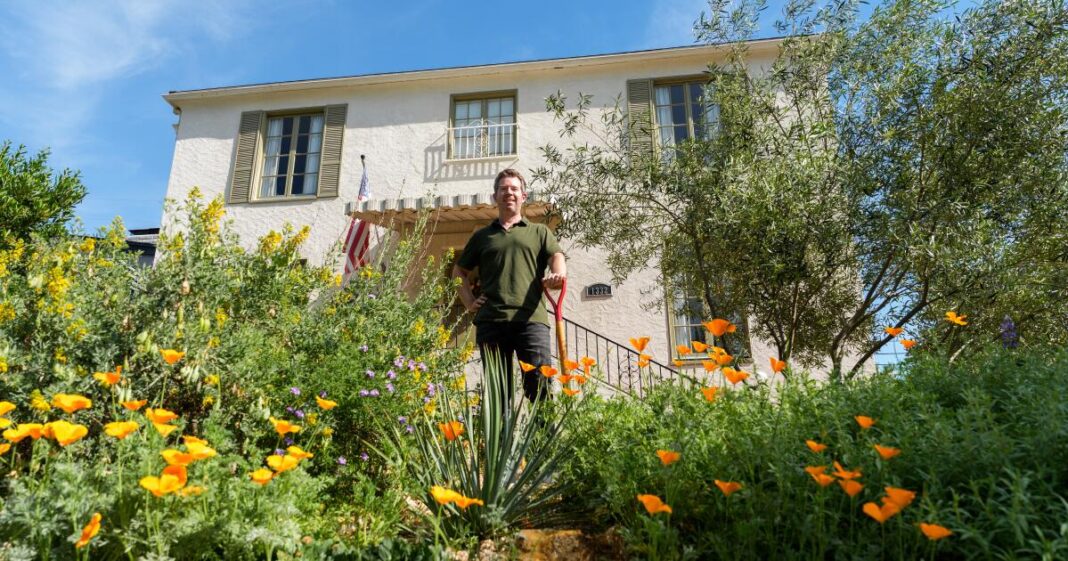
Reviving Los Angeles Landscapes: The Journey of Native Gardening in Glendale
The Shift from Thirsty Lawns to Drought-Resistant Gardens
For years, lush green lawns in Los Angeles stood as symbols of an era that glorified water consumption and conventional landscaping. Yet, amid ongoing drought concerns and a growing awareness of environmental sustainability, many residents are now rethinking their garden aesthetics. In Glendale, California, this shift is vividly encapsulated in the transformation of front yards into low-water landscaping havens, showcasing native plants that thrive in Southern California’s dry climate.
One such resident, Christopher Smee, is at the forefront of this gardening renaissance. His love for the distinctive California landscape grew after moving from England and hiking the nearby trails. Inspired by the dry chaparral, Smee decided to replace his traditional garden with one that honors the region’s natural heritage.
A Growing Appreciation for Native Flora
Upon purchasing a historic home in the Rossmoyne District, Smee quickly realized the previous landscape was uninviting. “The garden was a barrier,” he recalls, with its dense privet hedge and sad Bermuda grass lawn. Guided by a desire to reconnect with the original ecosystems of the area, Smee visualized a garden filled with California natives.
His botanical journey began as he immersed himself in local flora by visiting the Theodore Payne Foundation. This nonprofit organization is renowned for its commitment to promoting native plant gardening and offers a wealth of resources, including a demonstration garden where prospective gardeners can familiarize themselves with native varieties. Armed with knowledge, Smee was ready to create a vibrant, eco-friendly paradise.
Landscape Design with a Purpose
Smee’s ambitious vision began with consulting landscape designer Guillaume Lemoine of Picture This Land, who helped him shape the layout of a cottage-style garden organized into quadrants, with a tranquil fountain at the center. Every design choice was rooted in functionality and aesthetics, moving away from the ‘look-but-don’t-touch’ style that dominated traditional gardens. He wanted a landscape people could enjoy intimately—a space that offered joy, interaction, and sustainability.
A Budget-Friendly Approach to Transformation
Initially, Smee utilized the Glendale Water and Power’s turf removal rebate program, which incentivizes homeowners to replace grass with drought-tolerant, native plants. By removing 798 square feet of grass and implementing a rainwater capture system, he not only became eligible for a rebate of about $1,596 but also contributed to a more sustainable water future for his community.
The total investment approached $20,000, factoring in design fees, plant purchases, and installation, all of which he maintains were worth the expense, given the long-term environmental benefits.
Implementation and Plant Selection
The garden’s transformation involved a meticulous process. Following the turf removal using a sheet mulching technique—cutting the grass, adding cardboard, and covering it with mulch—Smee planted native species that support local wildlife.
“I learned through trial and error which plants thrive in my yard,” he notes, recounting a time when California wax myrtle couldn’t handle the summer heat, while the fragrant sagebrush flourished. This experiential learning process led him to appreciate the unique microclimate his garden created, which differed significantly from coastal regions.
Diverse Flora for Every Season
His current selection boasts an array of native species suitable for diverse habitats. Notable plants include California lilac, California Fuchsia, and Bladderpod, which flourish with minimal irrigation and provide aesthetic and ecological benefits throughout the seasons. As the native plants took root, Smee noticed substantially reduced water usage in the couple’s household.
Celebrating Biodiversity
Visiting the garden today feels like stepping into a vibrant ecosystem. Toyon berries glisten in winter, while the Californian poppies burst into bloom during spring, inviting bees and butterflies. Smee’s dedication to biodiversity is a guiding philosophy, ensuring his garden remains colorful and lively year-round. “It’s not just about conserving water,” he asserts; “it’s about enriching life and enhancing the landscape.”
A single olive tree, a nod to Glendale’s historical olive groves, stands among the natives, adding yet another layer of local heritage. As more individuals embrace similar changes in their yards, the collective effect contributes to overall biodiversity in urban environments.
Community Engagement and Ongoing Learning
Smee’s passion extends beyond his own yard. He actively participates as a volunteer at Sunshine Preserve, collaborating with a dedicated team to restore native habitats. Through these efforts, he aims to foster a deeper understanding of local ecology while also combating invasive species. This community-driven initiative reflects a growing trend among homeowners to not only beautify their yards but also to make a meaningful environmental impact.
He relishes the new appreciation he has cultivated for local plant life, often sharing his journey with neighbors and gardening enthusiasts alike. “I hope my experience encourages others to create their own native gardens. They can be just as enjoyable as traditional lawns, perhaps even more so.”
As Los Angeles grapples with water scarcity and environmental challenges, stories like Smee’s serve as beacons of hope, demonstrating how personal initiative and community engagement can foster a more sustainable and vibrant future. The trend towards native gardening not only reshapes the aesthetic landscapes of the city but also redefines its ecological narrative, one garden at a time.