

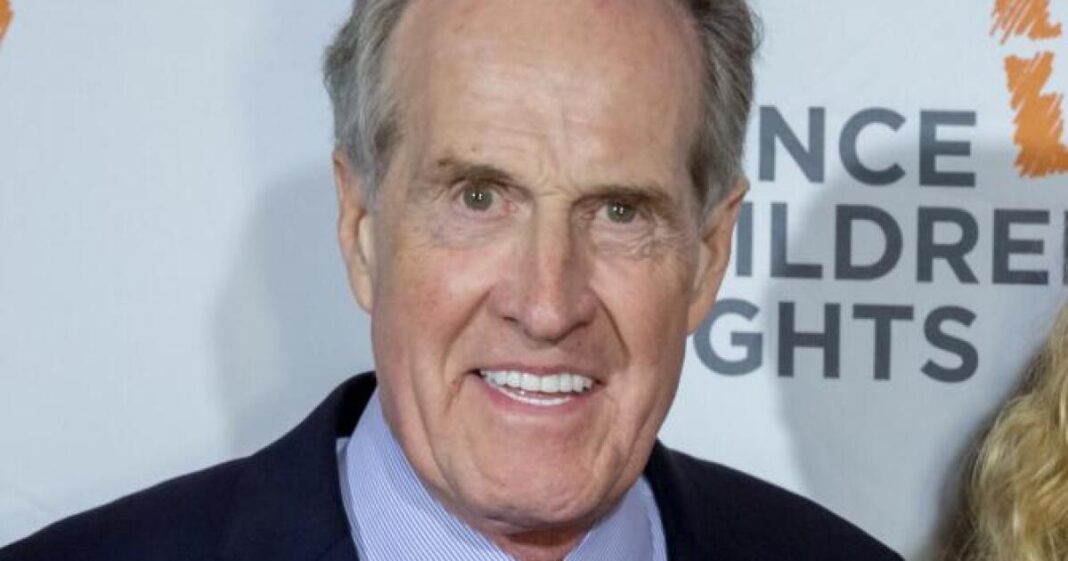
Disciplinary Charges Filed Against Former L.A. City Attorney in DWP Scandal
The State Bar of California has taken a significant step by filing disciplinary charges against Jim Clark, a former high-ranking official in the Los Angeles city attorney’s office. This development arises from his alleged involvement in a scandal surrounding the Los Angeles Department of Water and Power (DWP) that has sent shockwaves through local legal and governmental circles.
Background on Jim Clark
Jim Clark, who served as a deputy under then-City Attorney Mike Feuer, is accused of secretly orchestrating a class-action lawsuit that aimed to benefit the city by settling claims related to a faulty DWP billing system. The DWP had issued erroneous bills to thousands of customers, including one couple from Van Nuys who received a staggering bill of nearly $52,000. Clark’s tenure in the city attorney’s office began in 2013 after a lengthy career as a partner at the prestigious law firm Gibson, Dunn & Crutcher.
Allegations of Misconduct
The State Bar’s prosecutors claim that Clark directed other attorneys to collaborate with “friendly counsel” to file a class-action lawsuit against the city. This alleged collusion would allow the city to settle claims on its terms, undermining the interests of the individuals being harmed by the billing errors. George Cardona, the chief trial counsel for the Bar, stated that Clark’s actions represented “a blatant betrayal of his duties as an attorney and public official.”
Clark is also accused of providing “false and misleading statements” in relation to the lawsuit, denying any involvement in a signed declaration. Prosecutors assert that he concealed critical information from the civil court overseeing the DWP lawsuits. Such actions reportedly involved moral turpitude, dishonesty, and corruption, thereby violating the California Business and Professions Code.
Response from Clark’s Attorney
In light of these serious allegations, Erin Joyce, representing Clark, firmly stated that the Bar is attempting to tarnish her client’s reputation with unfounded claims. She emphasized Clark’s distinguished legal career over the past 49 years, noting it had been unblemished until now. Joyce contended that the disciplinary charges are unwarranted and that Clark is a highly respected attorney.
Potential Consequences
Should the charges be substantiated by the State Bar Court, Clark could face severe penalties, including disbarment, suspension, or probation. The implications of such outcomes could drastically alter the trajectory of his career and reputation.
Connections to a Broader Scandal
The charges against Clark are not isolated; they are part of a larger investigation tied to the DWP billing fiasco. The State Bar has also filed charges against other individuals, including a former DWP commissioner and an outside attorney. These actions underscore the systemic issues within the DWP and the public sector’s legal framework.
Financial Implications and Investigations
Despite the allegations, Clark currently receives a city pension valued at nearly $4,000 per month. This financial security comes amid ongoing investigations, which saw an FBI raid on his office in 2020. Remarkably, Clark was not charged in the criminal probe, but the existence of federal inquiries adds layers of complexity to this case.
Insider Accounts and Medical Leave
Additional FBI affidavits reveal troubling insights into Clark’s past. Former DWP General Manager David Wright accused Clark of dishonesty regarding the collusive lawsuit. Meanwhile, reports indicate that Clark suffered from an unspecified medical condition during 2017 and 2018 that affected his functionality at work. These personal challenges add nuance to the unfolding drama.
Allegations Against Former City Attorney
The case against Clark also touches on broader allegations of malfeasance among city officials. An FBI agent suggested that Mike Feuer, who served as city attorney from 2013 to 2022, may have lied to investigators, although Feuer has disputed these claims.
Broader Context of DWP Investigations
Notably, several high-ranking DWP officials, including Wright, have pleaded guilty to various federal crimes, emphasizing the depth of corruption that may have permeated the organization. The charges against Clark are part of a concerted effort to address and rectify the troubling practices that have come to light during these investigations.
Each development in this case not only impacts Clark’s future but also raises critical questions about governance and accountability within the city’s legal structure. As the situation continues to unfold, it serves as a stark reminder of the importance of ethical practices in public service.