

The Ongoing Wildfire Saga in Los Angeles: Leadership Challenges and Accountability
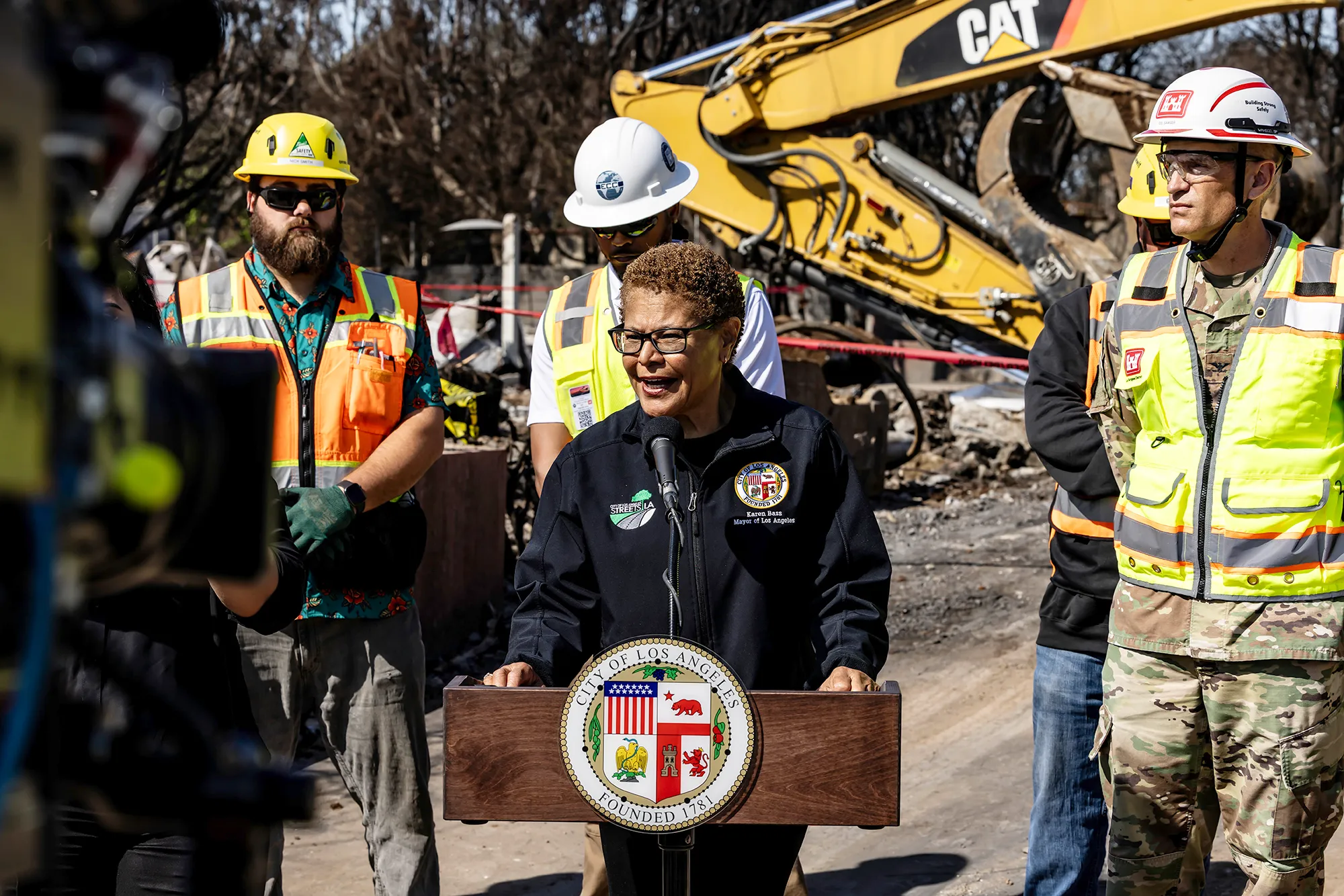
The catastrophic wildfires that ravaged Los Angeles 13 months ago have sparked a complex narrative of tragedy, recovery, and political maneuvering. These fires not only devastated thousands of homes and businesses but also claimed at least 31 lives, leaving an indelible mark on both the landscape and the community’s psyche. As recovery efforts struggle to gather momentum, local officials, especially Mayor Karen Bass, find themselves embroiled in a divisive game of blame, complicating the healing process for victims.
Political Fallout: Chief Crowley’s Lawsuit
At the heart of this turmoil is former Los Angeles Fire Chief Kristin Crowley, who recently filed a lawsuit against Mayor Bass. Crowley accuses Bass of orchestrating her dismissal as a strategic move to shift responsibility for the city’s chaotic fire response. This lawsuit marks a significant escalation in a saga that began while Bass was out of the country on a trip to Africa, during one of the worst fire outbreaks in recent memory.
Crowley’s claims revolve around supposed funding shortfalls that hindered the Los Angeles Fire Department’s (LAFD) ability to respond effectively to the fires. Bass, however, firmly denies these allegations and contends that Crowley was fired for reasons unrelated to the city’s wildfire management.
Criticism of Leadership
Public perception rapidly turned against Bass as revelations about her travel habits and leadership approach began surfacing. While previously expressing a commitment to remain local upon taking office, Bass’s international travels—particularly a trip to Ghana around the time of the Los Angeles wildfires—raised eyebrows. This “bad optics” further fueled criticism of her governance during such a critical time for the city.
Adding insult to injury, the aftermath of the fire has illustrated a pattern of troubling leadership decisions. After the flames subsided, many residents looked to the LAFD’s after-action report for answers regarding the agency’s performance. Instead of transparent accountability, they encountered a narrative allegedly manipulated to downplay significant failures in management and response.
The Controversial After-Action Report
In December and January, investigations revealed that key findings in the LAFD’s report on the wildfire response were edited to mitigate political fallout. Initial drafts of the document were reportedly altered behind closed doors to conceal lapses in leadership—decisions that led to the destruction of homes and loss of life. This manipulation has drawn sharp criticism, including accusations of political gaslighting, signaling a deep mistrust between the community and its leaders.
Sources close to Bass claimed she directed changes in the report following legal concerns about potential liabilities. These revelations highlight not just a failure in crisis management but also a broader systemic issue: the way in which political optics can influence decision-making during times of public emergency.
The Role of Journalism in Accountability
In this turbulent political landscape, investigative journalism has emerged as a vital mechanism for accountability. The revelations brought to light by the Los Angeles Times demonstrate that independent reporting remains crucial in exposing lapses in governmental responsibility. Uncovering discrepancies in the narrative around the wildfire response, the media has played an essential role in keeping citizens informed and engaged.
Future Implications for Mayor Bass
As the election approaches, the unfolding saga presents a significant challenge for Mayor Bass. Although her only notable rival appears to be a less experienced council member, the shadow of the wildfire crisis looms large. Her administration must grapple with the dual burdens of recovery and accountability, all while facing public scrutiny and potential voter discontent.
Reflections on Leadership
The very foundation of public service lies in the trust between leaders and their constituents. As Los Angeles continues to navigate the painful aftermath of the wildfires, the question remains: Can the city reclaim its sense of unity and progression amidst such a cloud of controversy? The narrative is still evolving, and the outcome will determine not only the political landscape but also the future resilience of a city still rebuilding from the ashes.