

The Rattlesnake Trails of California: Exploring Nature’s Beauty and Danger
Just as California’s gold-rich rivers and rugged mountains attracted miners during the Gold Rush, the state’s expansive wilderness and diverse landscapes draw rattlesnakes. Thriving in sunny deserts, rocky foothills, and grasslands, California is home to approximately 50 native snake species, including seven distinct rattlesnakes. Among these are the Mohave rattlesnake, Panamint rattlesnake, Red diamond rattlesnake, Sidewinder, Speckled rattlesnake, Western diamond-backed rattlesnake, and the Western rattlesnake. These creatures inhabit widespread areas, often in locations where the memories of gold rush days linger, urging travelers to tread cautiously. Let’s dive into five of the most rattlesnake-infested areas in California, showcasing the allure of nature intertwined with a touch of danger.
Joshua Tree National Park
Joshua Tree National Park, located about 45 miles northeast of Palm Springs, is a heavenly destination for outdoor enthusiasts. Spanning over 800,000 acres, the park boasts surreal desert landscapes, unique rock formations, and its iconic Joshua trees. Home to herds of desert bighorn sheep and coyotes, it also accommodates all seven species of rattlesnakes found in California, notably the Western diamond-backed, Sidwinder, and Speckled rattlesnake.
Visitors engaging in rock climbing, hiking, or camping should exercise caution, especially during rattlesnake mating season, which peaks from April to June. Rattlesnakes, typically non-aggressive but defensive, adjust their habits based on temperature and can be spotted basking in the sun or hunting during early evening hours. It’s crucial to watch where you step, as these snakes often hide under rocks and logs.
Mojave National Preserve
Nestled between Los Angeles and Las Vegas in the heart of the Mojave Desert, the Mojave National Preserve is a treasure trove of natural wonders, covering 1.6 million acres. This expansive area offers a variety of activities, from watching sunsets at Kelso Dunes—the second-largest dune system in California—to hiking to the summit of Teutonia Peak, the highest point with the densest Joshua tree population.
The Preserve’s dry, rocky landscape provides an ideal habitat for several rattlesnake species, including the highly venomous Mojave rattlesnake. Visitors should note that while these snakes are not aggressive, they can be easily startled, making it wise for hikers to stay alert.
Lake Tahoe
Situated on the border of California and Nevada, Lake Tahoe is celebrated for its stunning scenery, hiking trails, and crystal-clear waters. The most commonly sighted rattlesnake on popular trails is the Northern Pacific rattlesnake, a subspecies of the Western rattlesnake. Hikers traversing routes like the Eagle Lake Trail should stay vigilant, as these snakes often hide in crevices or under debris.
Interestingly, rattlesnakes have also been observed swimming in the lake, showcasing their exceptional abilities in water. However, they generally avoid confrontation while swimming and pose a low risk of biting unless provoked.
Santa Catalina Island
Approximately 22 miles off the coast of Los Angeles lies Santa Catalina Island, accessible by ferry, helicopter, or private boat. Known for its scenic beauty and robust marine life, the island has increasingly become recognized as a habitat for the Southern Pacific rattlesnake, a subspecies of the Western rattlesnake. The comfortable Mediterranean climate of the island fosters a range of wildlife, providing ample food sources for these snakes.
Outdoor activities abound on Catalina Island, making it an attractive destination for hiking, snorkeling, and exploring. However, those venturing into the island’s rugged terrains should be mindful of their snakes.
San Diego County
San Diego County offers diverse terrains, from coastal areas to mountainous regions, hosting several rattlesnake species, including the Western rattlesnake, Speckled rattlesnake, and Red Diamond rattlesnake. In recent seasons, officials have issued warnings for residents and visitors alike to stay alert due to increasing snake sightings.
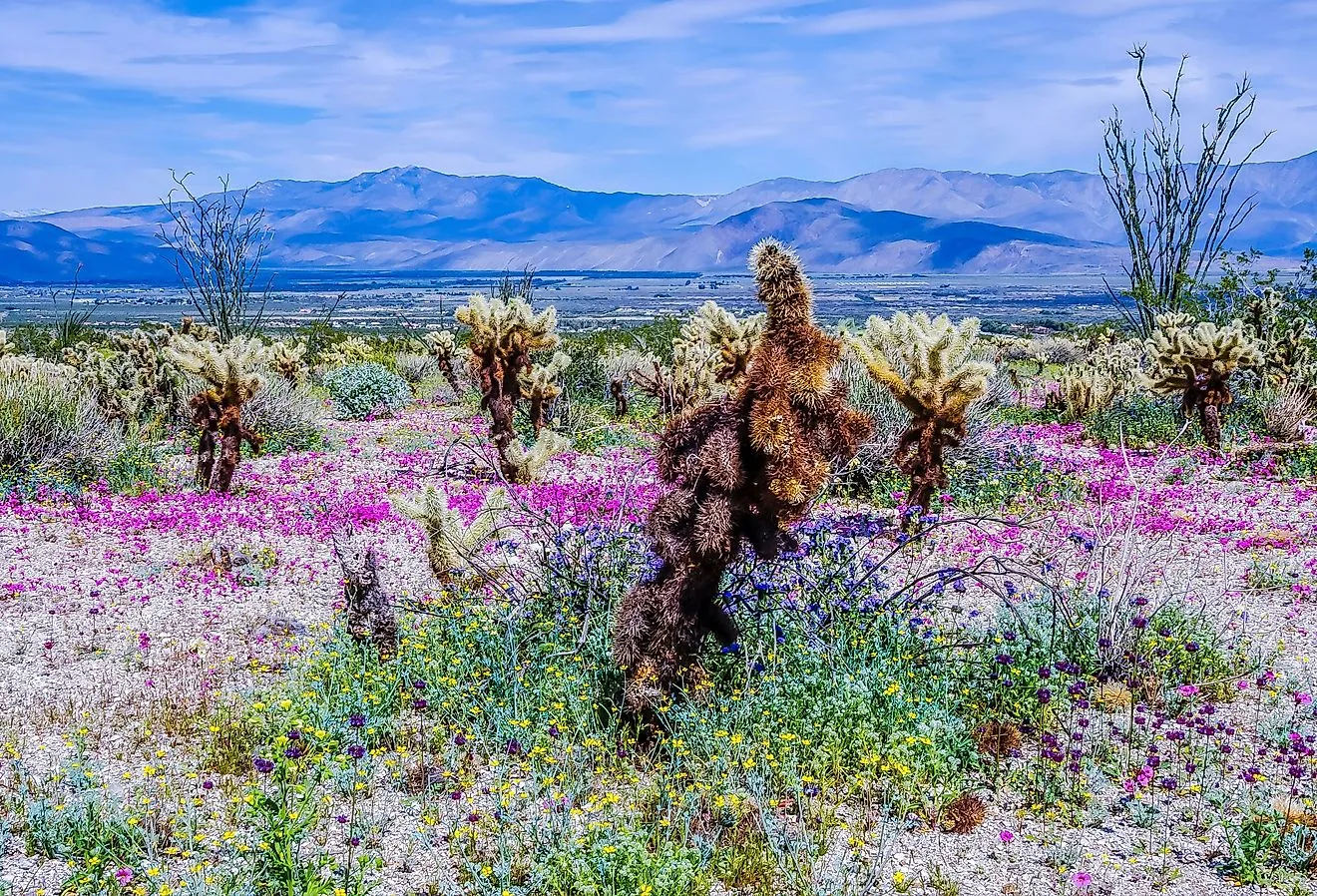
The Anza-Borrego Desert State Park, California’s second-largest state park, is a hotspot for rattlesnakes, particularly during their mating season from late February through May. With 110 miles of picturesque hiking trails, the park features stunning landscapes brimming with native palm oases and slot canyons.
A Natural Balance
Once bustling with the excitement of the Gold Rush, California has transformed into one of the premier destinations for nature enthusiasts. It offers breathtaking views and thrilling outdoor adventures while reminding explorers of the subtle dangers that accompany its rich wildlife. From the enchanting sights of Joshua Tree National Park to the pristine shores of Lake Tahoe, California’s rattlesnake-infested areas showcase the state’s rugged beauty alongside the creatures that share these landscapes. Adventurers should embrace the thrill of exploration while remaining mindful and respectful of their wild surroundings.