
The Evolving Food Scene of Los Angeles
The Los Angeles food scene is undergoing a remarkable transformation, influenced by changing lifestyles, the aftermath of the pandemic, and a collective yearning for comfort and nostalgia. As you scroll through social media, it’s impossible not to notice the buzz surrounding new eateries and trendy spots that have shot to prominence. Lines stretch around city blocks for everything from bagels and matchas to artisanal pastries, symbolizing a broader cultural shift in how Angelenos dine.
Max & Helen’s: The Hotspot of Nostalgia
One restaurant that perfectly encapsulates this moment is Max & Helen’s, an elevated diner that opened in Larchmont last November. Co-owned by Phil Rosenthal and Nancy Silverton, it has become a viral sensation, with guests waiting as long as eight hours for its famed $17 waffle and $9.50 hot chocolate. Rosenthal, a household name thanks to his Netflix series “Somebody Feed Phil,” has built a tremendous following. His visibility, combined with a cultural desire for comfort food, has propelled Max & Helen’s to stardom.
Silverton highlights the reason behind this growing fascination: “Phil Rosenthal has a huge following, and his passion for diner food resonates with many. It’s all about nostalgia.” The diner concept appeals to Rosenthal as it reflects an important part of his upbringing, showcasing a segment of dining that he feels is dwindling.
Changing Dining Habits: A New Routine
The pandemic has fundamentally altered our daily rhythms, particularly how and when we choose to eat. As many shift to remote work, the traditional lunch service has declined, while dinner has moved earlier in the evening. Silverton notes: “People don’t want to eat after 9.” This shift has led many restaurants to adapt their opening times. Edoardo “Edo” Baldi, who operates renowned establishments like E. Baldi and Il Ristorante di Giorgio Baldi, reveals, “We used to open at 6, now we open at 5, and the restaurant is often packed by then.”
A Focus on Wellness and Environment
With younger generations increasingly prioritizing health, the decision to dine earlier also aligns with wellness trends. Baldi points out that there is a growing awareness surrounding digestion and the importance of good sleep, prompting many diners to make more intentional decisions about when and what they eat. This shift is particularly visible amongst younger diners, who place a significant emphasis on health-conscious choices.
For many restaurateurs, these adjustments extend beyond just food and hours. Holly Fox, cofounder of Last Word Hospitality, emphasizes the thoughtful design in her restaurants. She explains that the goal is to make guests feel comfortable and welcomed, whether that means introducing upholstered seating or ensuring the lighting creates an inviting atmosphere. “We’re all about nostalgia; that’s what our focus is now,” she adds. The dining experience is crafted to resonate with those looking for familiarity and comfort in a fast-paced world.
The Social Phenomenon of Waiting
Intriguingly, the long lines forming outside popular spots have become more than just signs of popularity; they are part of the dining experience. For Fox, these queues become social spaces where individuals connect and feel included in something special. Diners are willing to wait for a special treat—a danish, a unique waffle—because it presents an “affordable luxury.”
“It’s about participation,” Fox argues. “You feel like you’re part of something larger than yourself.” This longing for connection is another critical element of the changes seen in the LA dining scene.
New Openings: A Taste of What’s Here to Come
February has seen a flurry of exciting new restaurant openings that reflect these changes.
Lielle: Culinary Craftsmanship
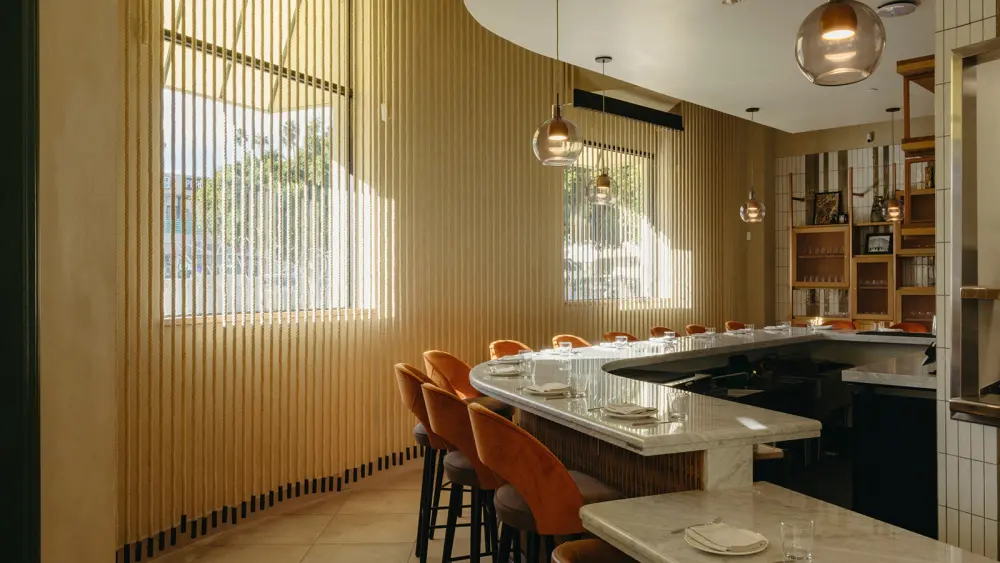
Located in Beverlywood, Lielle is a new venture from Swedish-born chef Marcus Jernmark, who was trained in Michelin-starred environments. This intimate space offers a concise, four-course menu that emphasizes the beauty of seasonal produce. The restaurant’s atmosphere combines European elegance with the relaxed charm of California dining.
Baldi: A New Chapter in Steak
As part of the Waldorf Astoria Beverly Hills, Edo Baldi introduces a Tuscan steakhouse that boasts a menu of 14 different cuts of high-quality steak, grilled over olive wood. The focus here is on heritage, precision, and an enjoyable dining experience, with seating available in various environments, from indoor dining to outdoor terrace areas.
Lapaba: Culinary Fusion
Another intriguing opening is Lapaba, an Italian-Korean pasta bar offering a unique blend of flavors. Opened by husband-and-wife duo McKenna Lelah and Matthew Kim, this 37-seat establishment focuses on fresh, local ingredients and inventive dishes inspired by Italian and Korean cuisine while maintaining a strong foundation in culinary tradition.
As the dynamics of Los Angeles’s food scene evolve, they reflect broader societal changes affecting dining habits, preferences, and the very essence of community connectedness. This landscape ensures that the conversation surrounding food will continue to be both rich and diverse, reflecting the city’s vibrant culture.