

Los Angeles County’s Bold Move Towards Green Infrastructure
At the end of last year, Los Angeles County set a significant target: replace 1,600 acres of pavement with green infrastructure by 2045. This ambitious initiative is part of the county’s ongoing Sustainability Plan. By making this decision, L.A. aims to join a growing global movement towards depaving, where cities are removing asphalt to tackle ecological vulnerabilities and promote environmental resilience.
The Concept of Depaving
Depaving is not just a buzzword; it’s an actionable strategy that involves taking away asphalt and concrete from areas where they are no longer necessary. The primary goal here is to create more space for nature—trees, plants, and rain gardens that offer numerous benefits such as cooling urban spaces, enhancing air quality, and providing aesthetic beauty. Urban planners are increasingly looking at this practice as a viable adaptation strategy, especially as extreme weather events highlight the weaknesses of existing infrastructure.
Historical Context: The Rise of Pavement
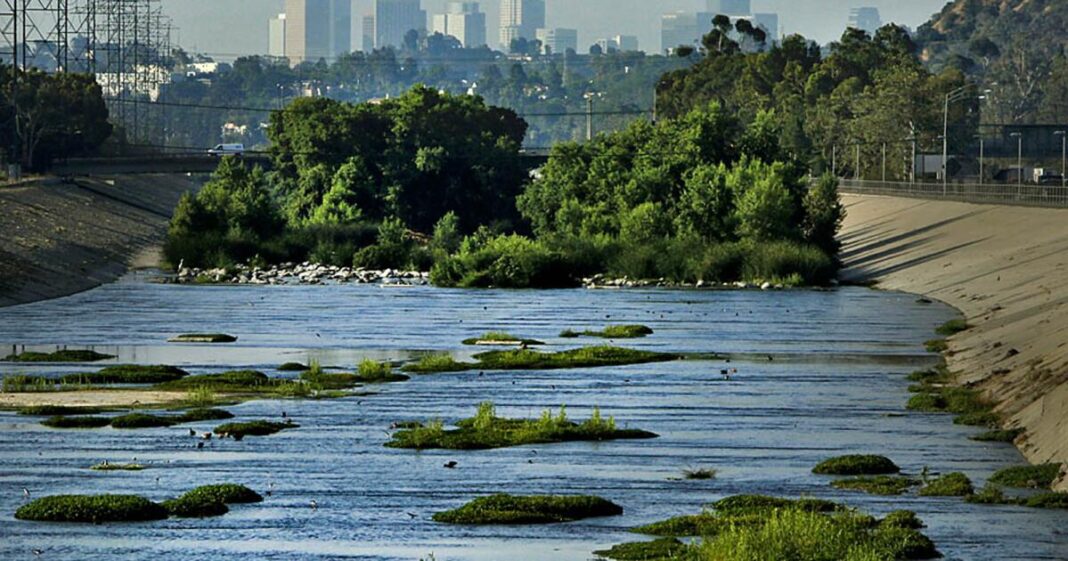
For over a century, pavement has been the go-to solution for many urban dilemmas. In L.A., the dusty, uneven dirt roads of the 1800s were quickly paved to facilitate efficient transportation. This transformation evolved further, with civil engineers implementing concrete to suppress weeds, conceal contaminated soils, and minimize maintenance costs. However, this shift came with unforeseen consequences. After a catastrophic flood in 1938, the U.S. Army Corps of Engineers encased the Los Angeles River in concrete, sacrificing a flourishing ecosystem for manageable flood control.
The Consequences of Over-Paving
While the immediate benefits of asphalt seem apparent—less maintenance, improved transport—there are long-term repercussions that cities now grapple with. Over the years, nearly all of the Los Angeles River’s original wetlands and a significant portion of its riparian habitat disappeared due to extensive paving. This loss not only affected biodiversity but also removed the natural systems that managed water absorption, temperature regulation, and pollution filtration.
Coping with Climate Challenges
Today, L.A. faces the dire consequences of these historical infrastructure choices. Record-breaking heat waves have become commonplace, with urban concrete radiating unbearable temperatures. Surprisingly, research indicates that extreme heat has caused more fatalities in California than wildfires in recent years. Furthermore, when it rains, the pavement prevents water absorption, leading to flash floods while hindering groundwater recharge—essential for buffering against future droughts. The lacking tree canopy in neighborhoods like South Los Angeles exacerbates public health issues, including respiratory illnesses and heightened stressors from extreme heat.
The Path Forward with Depaving Initiatives
To address these pressing challenges, L.A. County plans to kick off its strategy with assessments in neighborhoods that lack sufficient tree cover. However, restoring and maintaining the vegetation represents a substantial challenge. For the depaving initiative to succeed, policymakers need to rethink how they value natural systems and invest in their maintenance, rather than merely focusing on initial planting efforts.
Rethinking Financials: Concrete vs. Nature
The financial implications of using concrete versus natural infrastructure can be counterintuitive. Initially, concrete may appear cost-effective due to low maintenance demands after installation. However, the hidden costs emerge over time—through emergency responses, disaster recovery, and public health issues stemming from extreme weather. In contrast, while natural infrastructure requires ongoing investment, its benefits accumulate, offering long-term savings and improved community health.
The Compounding Benefits of Nature
Natural elements—like trees and wetlands—provide invaluable services over time, including cleaner air and water, enhanced biodiversity, and overall community resilience. Yet to harness these advantages, regular care and investment are necessary. Just as people require salaries and benefits, nature also needs nurturing in the form of pruning, watering, and protection from harm.
A New Perspective on Urban Infrastructure
Los Angeles County’s ambitious depaving target introduces a fresh perspective on urban infrastructure, viewing it as a combination of living systems and constructed surfaces. Each plays a pivotal role in creating safe and vibrant cities. This perspective invites a paradigm shift in public budgeting to account for the invaluable work that nature does every day.
Inspiration from L.A. for Other Cities
If L.A., often seen as one of the most paved places in the world, can start to embrace depaving, it opens the door for other cities to consider similar changes. The question remains: if nature could receive the same long-term investment and care as human services, what could cities like Los Angeles become?
Devon Provo is a Los Angeles-based urban planner and senior manager of planning & program alignment at Accelerate Resilience L.A.