
Political Fallout and Broader Implications
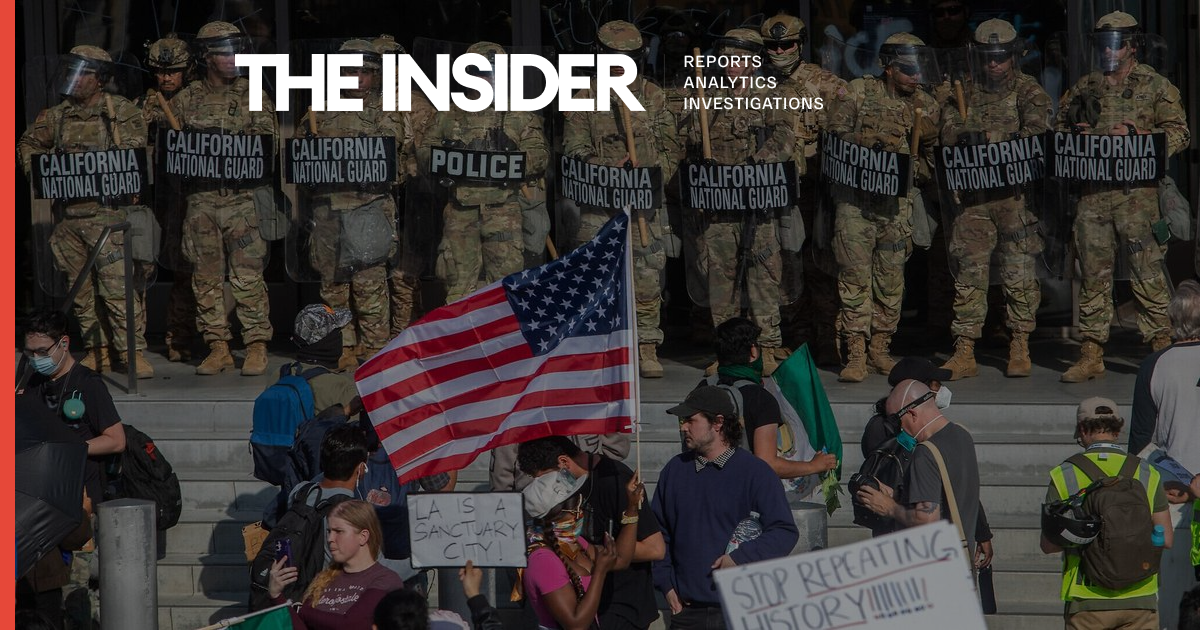
The protests that erupted in June 2025 may mark a pivotal moment in the ongoing tug-of-war between federal and state powers in the United States. Unlike the George Floyd demonstrations that coalesced around a singular act of violence, these protests stemmed from a complex web of longstanding structural conflicts. At the core of this unrest lies a stark contrast: a conservative federal administration keen on asserting its authority versus a progressive state government determined to resist what it views as federal overreach.
In Los Angeles County, where around 10% of the population is undocumented, the ramifications of this struggle are profound. Many of these community members have deep-rooted ties to the area, making the stakes incredibly high. Critics argue that the federal government embarked on mass immigration raids without adequately weighing the consequences of such actions in a jurisdiction that had self-designated as a sanctuary. Allegations that federal agents faced life-threatening conditions at the Metropolitan Detention Center remain unverified, yet public attention has concentrated on the militarization of the federal response, raising alarms about civil rights and governmental accountability.
Lessons from the Ground
When comparing the June 2025 protests to previous civil disturbances in Los Angeles, particularly the infamous riots of 1992, there are notable differences. While the protests did result in over 40 injuries, there were no reported fatalities — a statistic that suggests a notable evolution in protest culture. Many activists today exhibit a heightened awareness of the consequences of their actions, both for the immediate community and the broader national dialogue.
The temporary detention of Senator Alex Padilla by federal officers sparked significant outrage. Officials claimed they failed to identify him simply because he was not wearing his Senate pin. Padilla’s retort underscored a critical point: if a sitting Senator could be subjected to such unnecessary treatment, what dangers must ordinary citizens, particularly migrant farmworkers, face daily? His statement resonated widely, igniting essential conversations about equality under the law.
These protests were not merely a political outcry; they encapsulated a societal reckoning with deeper issues of privilege, justice, and representation. The question lingered: why should the treatment of individuals by authorities differ based on their legal status? This pivotal moment forced communities to critically examine the broader social contracts that govern their lives.
What Comes Next?
A significant legal development has emerged in the aftermath of the protests. Federal Judge Maame E. Frimpong issued an order mandating the Trump administration to cease indiscriminate immigration checks and arrests across seven California counties, including Los Angeles. This ruling, which also insisted on granting attorneys access to certain detention facilities, arose from a class action lawsuit challenging the federal government and immigration authorities.
In quick response, the Trump administration announced its intent to appeal, asserting that immigration policy matters should not fall under judicial scrutiny. The Department of Homeland Security dismissed claims of racially discriminatory enforcement as “DISGUSTING and categorically FALSE,” further escalating tensions between federal agencies and state governments.
As the situation unfolds, immigration authorities continue conducting raids in areas perceived to have high migrant populations. A recent confrontation took place at a local cannabis farm, escalating to a point where federal agents had to face angry protesters. The chaos resulted in multiple injuries, including one farmer now in critical condition following a fall during the tumultuous raid. Federal agents employed tear gas and other crowd-control munitions to manage the escalating unrest.