

The Unseen Language of Living Rooms: Economic Markers in Home Decor
Growing up in suburban Sacramento, I often found charm in the homes of friends. Each living room struck me with a familiar ambiance, something that went beyond mere decor. Years later, moving to Los Angeles revealed stark neighborhood contrasts that unveiled the economic narratives embedded in these spaces. It’s fascinating—these weren’t just stylistic choices; they were economic markers, reflecting invisible threads of class and affordability.
Understanding these patterns can feel uncomfortable, yet it’s vital to recognize how our economic circumstances shape our environments. The items we display in our homes aren’t just decorative choices; they tell stories that reflect our values, priorities, and limitations.
1. The Oversized Flat-Screen TV
Walking into many homes, one of the first things you notice is a massive flat-screen TV, often dominating the room. Still mounted slightly too high, it becomes the focal point.
Wealthier households might choose to disguise their TVs behind art panels or select sizes that fit their spaces. However, in lower-middle-class homes, the priority often lies on owning the largest screen possible. This isn’t merely about indulgence; it’s an accessible luxury, offering a gateway to entertainment that might otherwise feel unattainable.
In a world where experiences like concerts or sporting events can strain budgets, that oversized TV transforms a living room into a personal theater. The size is a search for value in limited options.
2. The Cable or Satellite Box
Adjacent to that colossal screen, the cable or satellite box often sits prominently. Unlike many who have transitioned to streaming services, this equipment remains a consistent fixture.
For numerous households, bundled cable packages feel like a deal, especially when competing internet options are scarce. It symbolizes not just connectivity but also a consumer culture tied to abundance. The visible placement communicates a sense of belonging, asserting connection to live sports and local news—an expense often prioritized over other subscriptions.
3. Artificial Plants and Dried Flowers
Adding a touch of nature, artificial plants and dried flower arrangements fill many corners of these living rooms. Real plants, needing investment and attention, are often replaced by their low-maintenance counterparts.
My own grandmother, managing a tight budget, delighted in fake plants scattered throughout her home. They represented warmth—an economical choice providing beauty without the commitment. These elements speak to a profound yearning for life and vibrancy in one’s environment despite practical constraints.
4. Family Photos in Mismatched Frames
A telling characteristic seen throughout these homes is an abundance of family photos. School pictures, weddings, and graduations adorn surfaces with mismatched frames, often mere memories stuck together by time.
In contrast to wealthier homes, where curated images are the norm, these displays signify emotional value. Each photo tells a story of resilience and cherished moments. At my parents’ place, the cluttered mantle beams with pride, echoing memories of achievements that often defied odds.
5. Discount Furniture
Visible storage units from popular big-box retailers are often the only choice for many families. Items may show wear, yet they provide multifunctionality—becoming vital components that hold not just electronics but also life’s essentials.
When economic situations dictate every dollar spent, furniture becomes a taskmaster. Those sturdy cube organizers don’t merely stand out for their aesthetics. They embody a commitment to function and practicality, with each piece designed to maximize limited space.
6. Inspirational Quotes and Religious Art
“Live, Laugh, Love” might have morphed into cliché, but such wall decorations hold real meaning in many homes. Whether crafted with vinyl or framed art, these expressions aren’t just decorative.
In spaces where financial strain looms, these affirmations morph into daily reminders to foster optimism. Comparatively inexpensive, they offer personal touches, combining decoration with emotional support, reflecting a sense of hope amid life’s challenges.
7. Mismatched Throws and Pillows
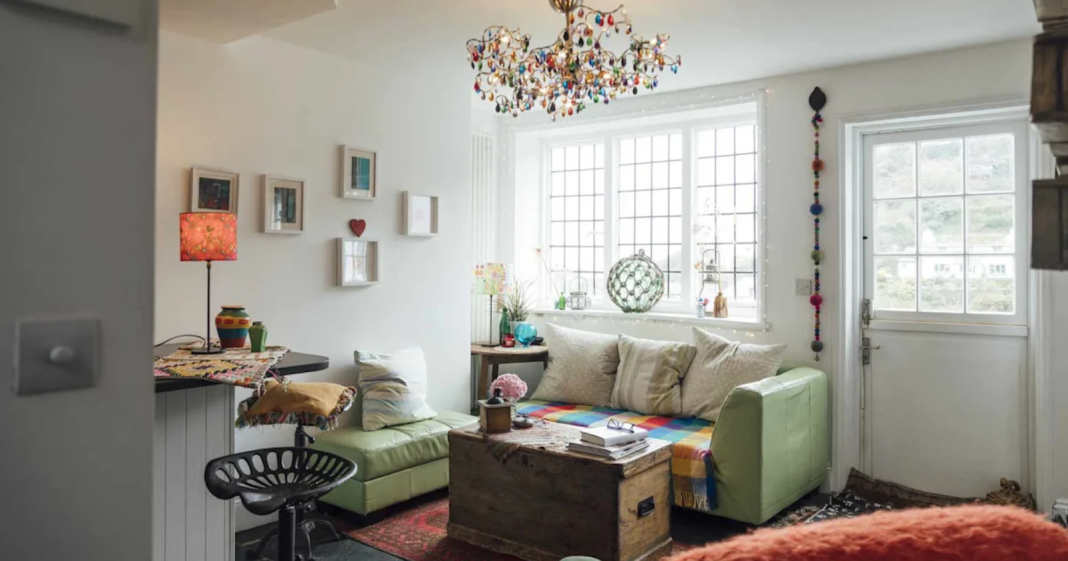
Mismatched decorations are another notable outcome in many of these homes. Throws, pillows, and curtains often clashing with each other paint a cozy but erratic picture.
Each piece likely tells a different story—acquired through sales, gifts, or leftovers from one’s past. However, this eclectic look isn’t merely about chaotic decor. It showcases attempts to refresh a space while maximizing comfort and utility. That colorful throw blanket on the couch might just cover a worn fabric that has years of use left.
While our Venice Beach apartment now showcases a deliberate design, I fondly remember those spaces where textiles narrated efforts to create a home with what was available.
Exploring these living rooms reveals much more than decorative choices. They expose the economic realities and creative responses that shape our environments. Each item—be it a large TV, mismatched decor, or inspirational quotes—tells stories of functionality, family value, and the pursuit of beauty within limits.
What does your living room say about your choices and circumstances? The indicators of class might seem clear, but they’re best understood as expressions of resilience and creativity in the face of challenges. Understanding this context fosters empathy, inviting us to appreciate the rich narratives behind our shared spaces.