

A Dystopian Oasis: My Journey into the World of Dry Floating
It was a scorching late winter day in downtown Los Angeles, a setting that felt almost dystopian. As I parked my car in an outdoor lot, corporate skyscrapers loomed ominously over the sidewalks, which were lined with housing encampments. The contrast of this backdrop against the promise of tranquility at the Quantum Wellness Spa felt jarring, yet intriguing. The building itself lacked any real architectural distinction, except for the two large Buddha sculptures that welcomed guests, signaling a sanctuary amid chaos.
Entering Quantum Wellness Spa
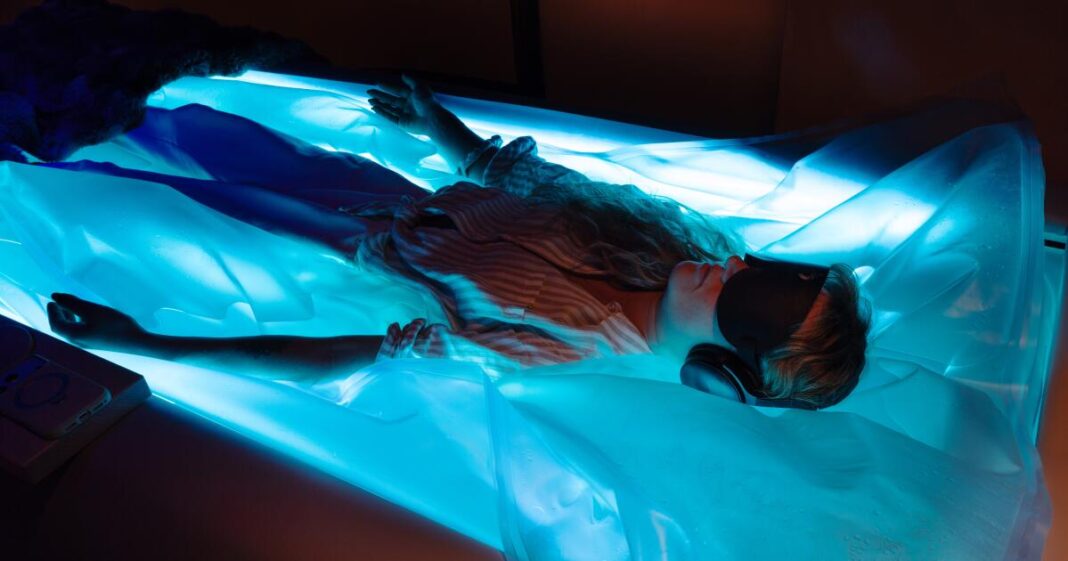
Stepping through the spa’s glimmering white lobby, I was struck by the promise of an utterly unique experience: the “zero body dry float.” This innovative treatment—essentially a bed filled with 400 liters of heated water—aims to create a sensation of weightlessness, relieving pressure from the spine and joints while collectively melting away stress. Unlike traditional float tanks, which require full immersion in saltwater, these beds are designed to deliver the same benefits without wetness. At $60 for a 35-minute session, it seemed an accessible indulgence for anyone seeking relief.
The Founder’s Philosophy
Jeremy Hoffmann, Quantum Wellness’s founder and CEO, described the mission succinctly. “We really wanted to focus on calming people’s nervous systems down,” he noted. With heavy emphasis on deep rest and restoration, his vision transcends typical spa offerings. Beyond dry floatation, Quantum features everything from massages and facials to IV drips and energy work, ensuring a comprehensive wellness experience.
A Futuristic Environment
Inside, the ambiance felt deliberately futuristic, as if crafted for a world where humanity retreats underground, yearning for a connection to its earthly origins. Neon lights illuminated dark hallways, reminiscent of a spaceship interior. In one area, moss and mycelium thrived, thriving alongside a room featuring a floor made entirely of crystals. The environment was purposefully designed to evoke sensations one might expect in a volcanic cave or arctic icy landscape, with walls that shifted colors, mirroring natural phenomena.
Setting Intentions
Upon reaching the designated glowing cerulean room, the host posed a question that gave me pause: “Do you have an intention for today?” As I contemplated the pressures surrounding me, I simply replied, “Presence.” This concept felt fitting, a reminder to anchor myself in the moment.
The Floating Experience
Laying down on the plastic-covered bed, I was given a blindfold and Bose noise-canceling headphones, drifting into a soundscape reminiscent of nature yet infused with hypnotic, otherworldly elements. As the host gently lowered me into the bed and the warm fluid enveloped me, I felt initial resistance. I was acutely aware of the relentless thoughts racing through my mind.
“What’s for lunch?” I mused, “What about the rest of my day?” But gradually, much like in a deep meditation, my mind began to quiet. With each deep sigh—often a sign that my nervous system was calming—I succumbed to the music’s rhythm.
Comparing Experiences
Just days prior, I had visited WellNest, a 24/7 facility specializing in dry floating. At WellNest, the experience bore its unique flavor: while it lacked the immersive sensation of being firmly cradled, it had its own merits. Anthony S. Saribekyan, WellNest’s founder, had opened his doors to those seeking an escape from anxiety, noting the convenience of dry floats: no shower before or after, less water waste, and minimal ecological impact.
Scientific Backing
Though studies comparing dry and wet floating are limited, a small body of research suggests that while both types promote relaxation, wet floating may offer more therapeutic benefits. The float tank, originally designed by John C. Lilly in 1954, was a groundbreaking exploration into human consciousness, void of sensory inputs. Today, countless studies—including many funded by the National Institutes of Health—continue to investigate these waters, with strong findings showing significant reductions in short-term stress and anxiety.
Evolving Wellness Trends
Emily Choquette from the Float Clinic and Research Center posits that some benefits may overlap between dry and wet floating, though observational studies often show more pronounced effects with immersion. She believes both provide essential respite amid the relentless demands of modern life, effectively serving as wellness tools akin to yoga or meditation.
A Unique Reset
As I emerged from Quantum Wellness Spa and returned to the lively urban landscape, I noticed a palpable difference. I felt lighter, almost as though the burdens I had carried were eased. Unlike before, when I had rushed to my appointment, I ambled slowly, savoring the warmth of the sun grazing my skin.
While it’s difficult to quantify whether the dry float experience would become my preferred method of resetting—especially against the backdrop of more traditional options like massages or outdoor activities—it certainly provided a moment of intentional stillness in an often-chaotic world. The potential for reconnection and rejuvenation invites further exploration, perhaps nudging me toward another visit to uncover deeper layers of relaxation and presence.