

Robby the Robot Wok: The Future of Fried Rice
A Culinary Experience Like No Other
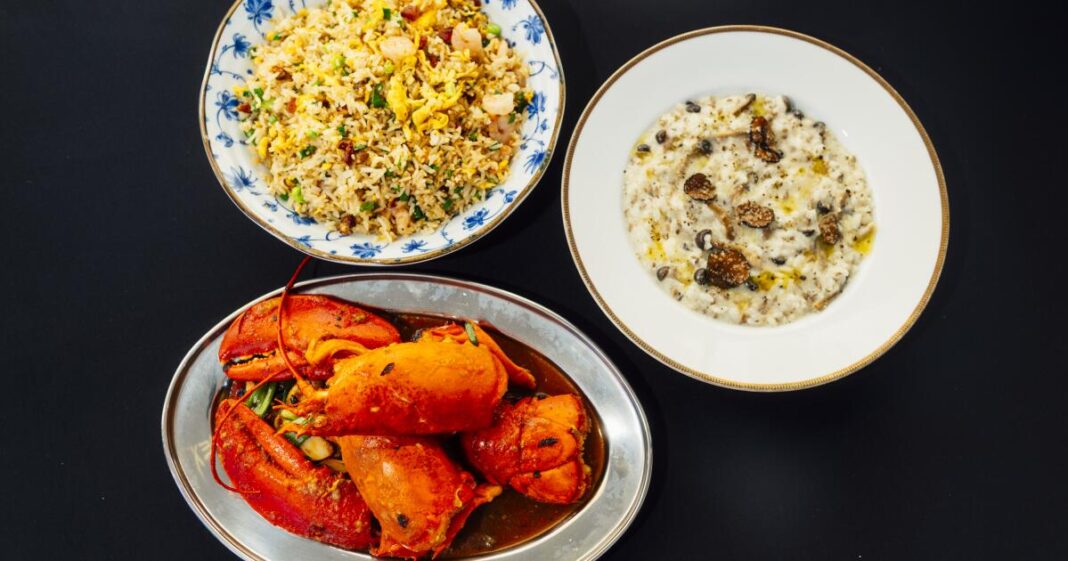
Last month, one of the most unforgettable dishes I had was a paper plate filled with perfectly fried rice, prepared by none other than a robot named Robby. Imagine the scene: grains glistening with soy sauce, each grain caramelized with a hint of smokiness, generously sprinkled with fluffy scrambled eggs, fragrant lap cheong, juicy shrimp, and crisp scallions. It tasted so much like my grandmother’s beloved fried rice, yet I found myself standing in a humble trailer at Next Robot in Walnut, California.
Meet Robby: The Culinary Robot
Next Robot specializes in developing robotic cooking solutions, with Robby being a standout. Weighing 550 pounds, this automated wok can create 17.64 pounds of food in a single batch. Its design resembles a large, vertical washing machine drum that spins while cooking, coupled with hidden compartments that dispense various sauces and seasonings as per specific recipes. The best part? Robby doesn’t need an open flame; it can reach temperatures up to a sizzling 700 degrees Fahrenheit.
Accessibility and Cost
For those intrigued by integrating this technology into their own ventures, Robby is available for leasing at around $1,200 per month with a three-year commitment. This technology is part of a larger robot cooking market projected to be worth over $9 billion in the coming decade, with innovations ranging from fully automated kitchens to robotic arms mimicking chef movements.
A Multifaceted Communication Tool
Robby isn’t just a cooking device; it’s a multilingual machine, capable of communicating in English, Spanish, Chinese, Japanese, French, Italian, and Korean. Impressively, it can even learn new languages in less than an hour upon request. While it can replicate traditional fried rice, it still requires human oversight—at least for now.
Behind the Scenes: A Unique Cooking Process
During my visit, I observed Nguyen Bui, the culinary director at Next Robot, as he navigated Robby’s cooking process. Selecting a recipe from a user-friendly screen, Bui prompted Robby to ask for each ingredient in turn as the wok heated up. The magic unfolded in a span of about four minutes; the ingredients were introduced at precise intervals, creating a flawless dish. After serving up the fried rice, Robby self-cleaned, highlighting the machine’s convenience.
Preserving Culinary Traditions through Technology
Giggs Huang, co-founder and CEO of Next Robot, emphasizes the importance of preserving traditional recipes, especially those that require time and skill to master. With Robby’s capabilities, they aim to tackle the operational inefficiencies that trouble many restaurants. Huang was inspired to create Robby after years of enjoying dining out and hearing from industry professionals about the challenges they faced.
A Solution for Restaurant Consistency
At the forefront of this culinary revolution is Tomas Su, who opened the first Tigawok restaurant, a concept built entirely around Robby. With Tigawok, guests enjoy small-sized bowls of familiar Chinese-American dishes, all prepared with consistent quality by Robby. As Su expands his brand, he cites the robot’s ability to maintain uniformity as a crucial factor in running multiple locations successfully.
Innovating for Future Demands
Su has experienced his share of challenges with the technology, such as durability issues with the woks. However, with ongoing feedback and improvements, Robby has transitioned from a nonstick coating, requiring frequent replacements, to a more robust carbon steel design, lasting up to three years. Currently, over 300 Robby units are in operation worldwide, serving various businesses—from airline catering to school districts.
Creativity Unleashed with Automation
Nguyen Bui, previously a chef at top-tier restaurants, now explores new culinary boundaries with robotic cooking. Although he had limited wok experience, Robby gives him the power to create intricate dishes. His role includes pushing the machine’s boundaries and experimenting with diverse recipes, enabling him to achieve traditional flavors without the trial and error.
The Rise of Smart Cooking Aids
Next Robot continues to innovate with their latest addition, Al Dente, a slimmer machine designed for dishes like risotto and scrambled eggs. While Robby may handle high-heat stir-frying, Al Dente simplifies other cooking tasks, further streamlining operations.
Consistency: The Ultimate Goal
As some chefs ponder the implications of robotic cooks in kitchens, they find new efficiencies rather than fear of replacement. Chefs like Bryant Ng from Jade Rabbit see the potential for robots to alleviate pressure on kitchens without removing the human touch. For restaurants aiming to deliver consistent quality, tools like Robby may be invaluable.
Preparing for Technological Advances
As Next Robot develops smaller and more versatile cooking machines, Huang believes in the positive role of AI in the culinary world. It’s about adapting quickly to the changing landscape and finding ways to see technology as an ally rather than a competitor.
Finding Upcoming Robot-Enhanced Dining Experiences
Curious diners can explore Tigawok’s multiple locations or visit Jade Rabbit to taste the seamless blend of traditional flavors and cutting-edge technology. As culinary innovation marches forward, the exciting possibilities that await are only just beginning.