

Holiday Storms Bring Much-Needed Moisture to the Tehachapi Mountains
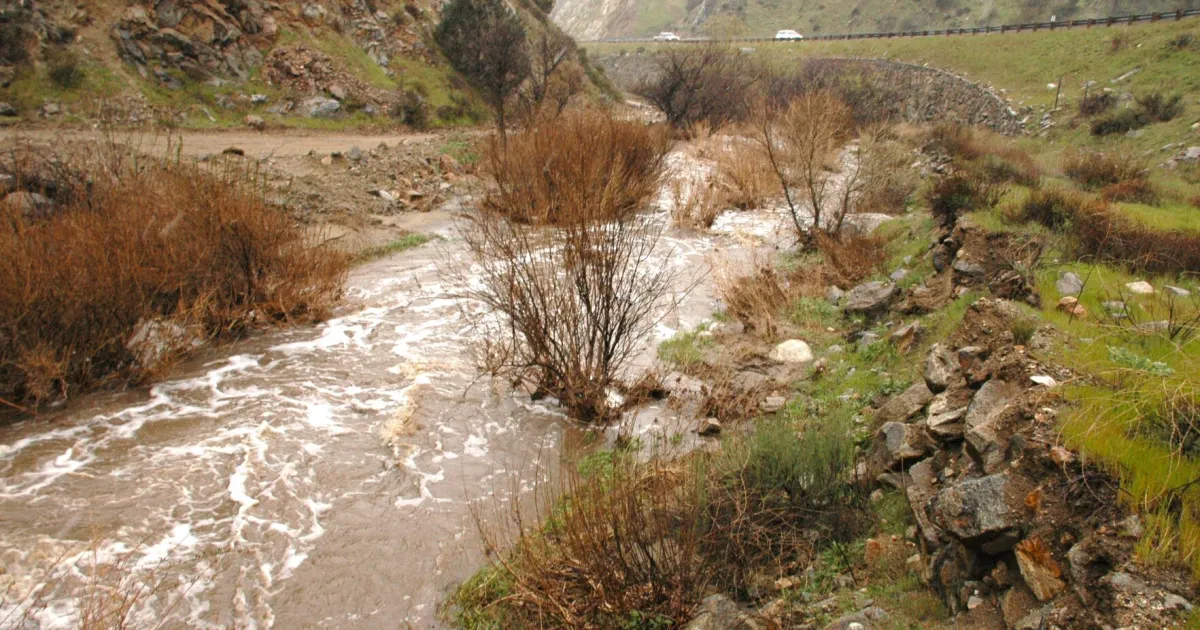
The Tehachapi Mountains and much of California have experienced a welcome influx of rain this season, buoyed by a series of holiday storms. So far, the area has received about 9 inches of rain, which is nearly three-fourths of the annual average precipitation of around 12 inches. This rainfall is crucial not just for local farmers and wildlife, but also for water supply systems across the state.
Recent Storm Activity
The latest rounds of storms began on December 23, bringing approximately 1.75 inches of rain just in time for Christmas Eve. By Christmas Day, another inch had fallen, with an additional half-inch accumulated over the following two days. After a short respite, light misting rain marked the start of the new year, followed by more substantial rainfall on January 4 and 5, adding yet another half-inch to the total.
Minimal Damage, Temporary Road Closures
Fortunately, the recent storms have not caused significant damage in the Tehachapi Mountains. However, residents did experience some temporary road closures, notably on Tehachapi-Willow Springs Road, due to either standing water or mud on the roadway. This minor inconvenience highlights the need for vigilance during periods of increased rainfall, ensuring that travelers remain safe.
Understanding California’s Water Year
California’s water year, established by its water agencies, begins on October 1 and runs through September 30 of the following year. At present, we are in the water year from October 1, 2025, to September 30, 2026. Given the early precipitation, Californians are optimistic. Typically, Southern California receives the majority of its precipitation during January and February, making the early storms a positive indicator for supply levels.
Precipitation Levels Across the State
Exploring precipitation levels, downtown Los Angeles has recorded an impressive 14.2 inches of rain so far this season, which aligns closely with the city’s average annual total. This early bounty of rainfall indicates a strong start to the water year, suggesting that both urban areas and natural ecosystems could benefit from the sustained moisture.
The Importance of Mountain Snowpack
The hope is that upcoming storms in January, February, and March will contribute to California’s mountain snowpack, especially in the Sierra Nevada range, which stretches for about 400 miles. This snowpack is a critical resource, as it holds vast amounts of water that are gradually released as spring temperatures rise. Additionally, all of California’s mountains, including the Transverse Ranges—comprised of the San Bernardino Mountains, San Gabriels, Santa Monicas, and Tehachapi Mountains—play necessary roles in replenishing local water sources like springs and creeks.
Snow’s Role in Water Supply
Snow serves as a slow-release reservoir of moisture, providing water over an extended period as it melts. This slow release is vital for sustaining water availability through California’s hotter, dryer months. The recent rain may not have brought snow, but its contribution is no less significant; each drop helps recharge aquifers and surface water supplies critical to the state.
Unusual Holiday Weather Patterns
It has felt quite unique to celebrate Christmas and New Year’s in Tehachapi with weather more reminiscent of Scotland or Ireland—consistently rainy rather than the traditional winter snow or sunny bright days. Growing up in the region, it was not uncommon for children to hope for a white Christmas, only to find the celebration dotted with clear skies and temperatures in the comfortable 50s.
A Positive Outlook for the Future
The moisture received thus far has brought a sense of relief and optimism. Whether for the plants, wildlife, livestock, or farmers, nearly everyone stands to benefit when California experiences adequate rainfall and snow. This bodes well for the overall health of ecosystems and agricultural systems alike.
About the Author
Jon Hammond has written for Tehachapi News for over 40 years, deeply engaging with local issues and sharing valuable insights with the community. To reach him, you can send an email to tehachapimtnlover@gmail.com.