
Embracing Culture Through Art
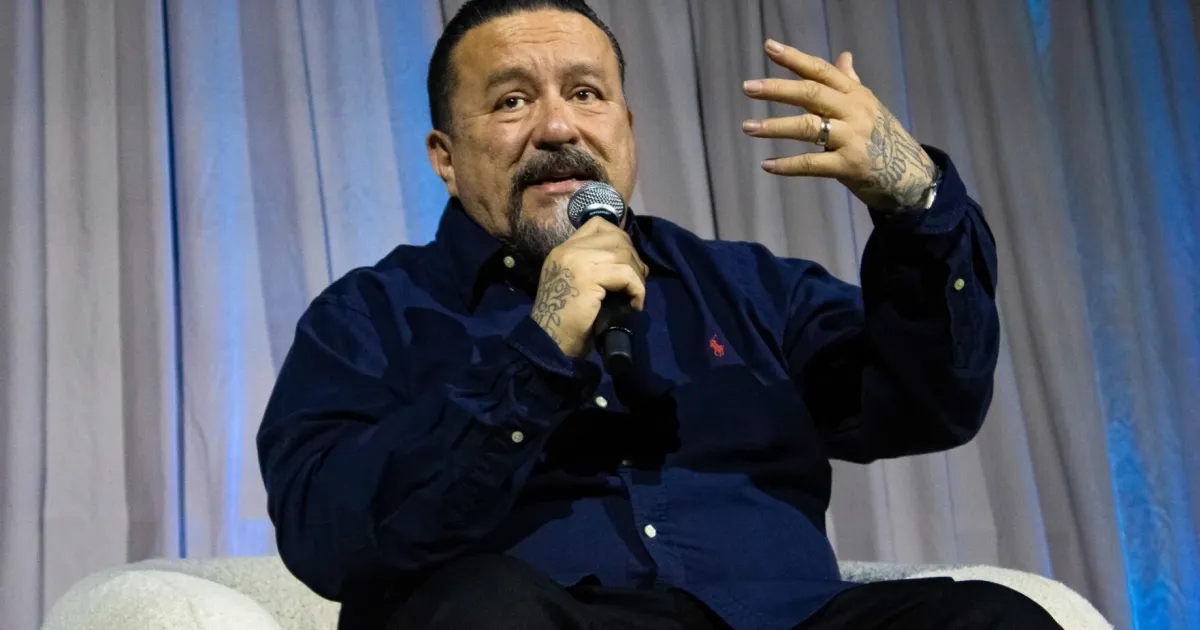
Applause erupted at the Titan Student Union Pavilion as Mark Machado, the Los Angeles-based tattoo artist and illustrator known as Mister Cartoon, took the stage as the keynote speaker for Associated Students’ Beyond the Conversation. His discussion, part of ASI’s Social Justice Week, captivated the audience with themes of culture, community, and art.
The Roots of Creativity
Machado opened the conversation by reflecting on his origins as an artist. He described an almost instinctive draw to art, beginning from a young age when he started sketching the world around him. This natural inclination, according to Machado, led him to pursue creativity without the constraints of a structured plan. “I felt that the more I kept doing it, the more obsessed I became,” he noted. For him, the act of creating was intrinsic and a source of joy.
Chicano Art’s Visibility
Over the years, Machado’s journey evolved into a career that significantly raised the profile of Chicano culture. His work—once confined to neighborhood walls and sketchbooks—has blossomed into merchandise like T-shirts and sneakers, along with collaborations with giants such as Nike and Major League Baseball. “It’s definitely a process when your work goes from impressing your homies to being recognized globally,” he shared, emphasizing how this journey reflects broader cultural shifts.
Preserving Individuality
Despite his work achieving international acclaim, Machado stressed that his creative process remained personal and unique. “I just kept going my way, even if it was a little off or weird, because I liked it and my friends liked it,” he explained. This commitment to authenticity has been a consistent theme in his artistic evolution, even as his visual language seeped into mainstream avenues.
Art Amidst Adversity
One poignant aspect of Machado’s discussion revolved around the influence of incarceration on Chicano visual culture. He asserted that creativity thrives even in unexpected and challenging environments. “Art is one of the few things respected in jail,” he noted, remarking on how a significant amount of contemporary Chicano art has its roots in prison culture. Machado candidly shared his own experiences, which shaped not only his perspective but also his relationship with the art form.
Cultural Representation and Recognition
In an inspiring segment, Machado discussed a recent milestone: the 2026 U.S. Postal Service collection featuring custom lowrider cars. This acknowledgment of Chicano culture within institutional platforms signifies an important shift towards broader recognition. “The world is starting to recognize what we’ve always known—that Chicano art and Latinos are creatively vibrant and contribute beautifully to the global narrative,” he stated, highlighting a growing understanding and appreciation of cultural significance.
The Power of Mentorship
The conversation took a dynamic turn when guest panelist Ricardo Pitones from the Latinx Community Resource Center joined Machado. They emphasized the importance of representation within educational spaces. Pitones articulated how seeing familiar stories promotes inclusion and a sense of belonging. “These stories matter,” he asserted, underscoring the role of visibility in shaping a welcoming, engaging, and supportive educational environment.
Navigating Creative Insecurities
During the audience Q&A session, alumni asked poignant questions about dealing with self-doubt and comparisons in the creative journey. Machado acknowledged these feelings as a normal part of artistic development. He encouraged attendees to stay grounded, reminding them to reflect on their motivations when uncertainty arises. “You have to push through it,” he advised, offering a compassionate perspective on overcoming inner barriers.
The Ongoing Journey
Throughout the discussion, one consistent message resonated: progress in the artistic community requires relentless effort and dedication. Machado emphasized the importance of maintaining cultural visibility and carving pathways for the next generation of artists to thrive. “We just keep pushing forward,” he concluded, instilling a sense of hope and responsibility for the future of Chicano art and culture.