

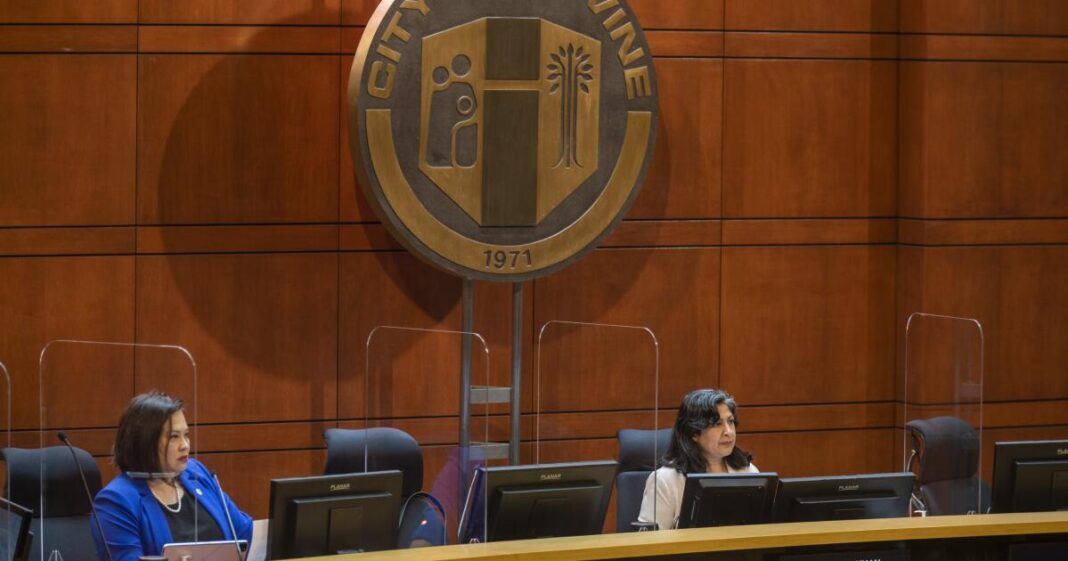
Irvine City Council Strengthens Lobbyist Regulations
In a significant step toward enhancing transparency and accountability in local governance, the Irvine City Council has voted to strengthen its existing lobbyist regulations. This marked a pivotal moment in the wake of recent corruption scandals that have shaken neighboring Anaheim and prompted calls for reform within Irvine.
A Year in the Making
The vote, which took place during Tuesday’s council meeting, followed a year of deliberation and community input. The proposed ordinance aims to broaden the definition of lobbyists and increase penalties for repeated violations, now classified as misdemeanors. The impetus behind these changes can be traced back to a proposal by Councilwoman Kathleen Treseder, who sought reforms following alarming revelations of political corruption in both Anaheim and Irvine.
Background: Anaheim’s Corruption Probe
In 2022, Anaheim officials were forced to initiate an independent investigation into allegations of political corruption after an extensive FBI inquiry led to the conviction of former Mayor Harry Sidhu. The scandal, which revolved around dubious dealings related to the Angel Stadium sale, highlighted serious lapses in local governance. Subsequent reports suggested a criminal conspiracy tied to federal pandemic relief funds, spurring recommendations for reform to curb future malfeasance.
While Irvine opted out of initiating its own independent probe, Treseder was inspired by the findings from Anaheim and proposed her reforms, which included crucial amendments to the lobbying laws.
The Rationale Behind the Reform
In her memo to City Manager Oliver Chi, Treseder emphasized Irvine’s vulnerability to lobbyist misconduct, citing earlier incidents involving fraudulent activities linked to cannabis proposals. Notably, Melahat Rafiei, a political consultant, was indicted for attempts to defraud clients and admitted to attempting bribery of Irvine council members concerning a cannabis ordinance.
Revamping Lobbying Definitions and Requirements
During the recent council meeting, Irvine City Attorney Jeff Melching outlined proposed changes to the lobbying laws, which had first been introduced in 2006. The updated framework will expand the definition of who qualifies as a lobbyist, now encompassing “in-house” and “expenditure” lobbyists previously exempt from regulations.
Moreover, the new requirements stipulate that lobbying activities must be disclosed if they exceed $1,000 in a calendar month, a stark decrease from the previous threshold of $10,000 per quarter. This shift aims to ensure more comprehensive monitoring of lobbying activities in the city.
Enhancing Disclosure and Accountability
One of the central objectives of the newly proposed ordinance is improved disclosure. Melching pointed out that the lobbying ordinance is about transparency rather than prohibiting lobbying itself. The updated language will also account for modern communication methods, ensuring that digital interactions via social media and other platforms are monitored.
Councilwoman Tammy Kim noted the significance of these reforms, stating that they are a “definite step in the right direction” to close existing loopholes.
Addressing Enforcement and Penalties
The revised lobbying law also introduces new enforcement measures. The ordinance proposes fines of $1,000 per day for repeated violations, making enforcement more robust. Melching clarified that initial non-compliance would not lead to criminal penalties, but habitual offenders would face substantial fines.
Media Exemptions and the Question of Credentials
Council members Kim and Treseder raised questions about potential exemptions from the law for media professionals. Kim sought clarity on whether the city would necessitate press credentials for exemption from lobbying definitions. Melching reassured them that the definition of media would remain consistent with how it was originally established in 2006, covering traditional outlets like newspapers and broadcasters.
Covering All Grounds: Closing Loopholes
An amendment proposed by Councilman Mike Carroll aimed to prevent council-appointed commissioners and committee members from engaging in lobbying activities. This measure seeks to eliminate a loophole that previously allowed council members to serve in multiple roles, including as lobbyists.
Councilwoman Treseder remarked on the political implications of Carroll’s amendment, suggesting that it might be targeted at his opponent in the upcoming city council elections, which added an interesting layer to the discussions.
A Unanimous Decision
Despite some political posturing, the proposed changes to the lobbying law were unanimously approved by the council. As these reforms are set to be revisited for a procedural vote in future meetings, they promise to reshape the landscape of lobbying in Irvine, fostering a culture of transparency and accountability in local governance.