

On September 25, California Governor Gavin Newsom took a significant step toward reforming campaign finance laws by signing Assembly Bill 2803 into law. This legislation addresses a glaring loophole that allowed politicians convicted of crimes to use campaign funds to cover their legal expenses. This move marks a crucial change in how campaign contributions can be used and aims to restore public trust in political accountability.
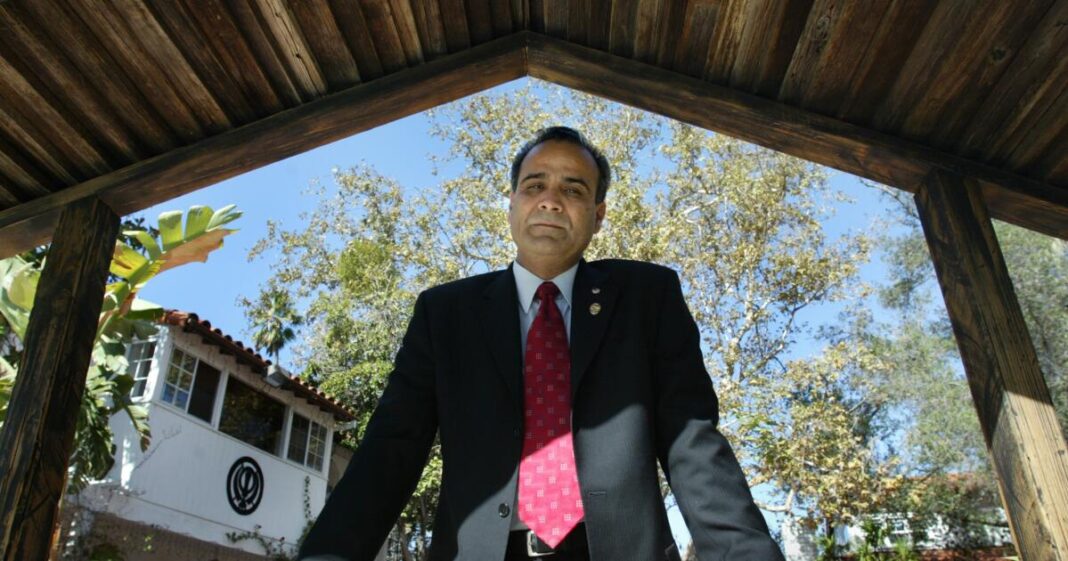
One of the primary motivations behind AB 2803 was the troubling case of former Anaheim Mayor Harry Sidhu. In 2022, Sidhu faced serious allegations, including bribery, fraud, obstruction of justice, and witness tampering, related to a federal investigation surrounding the attempted sale of Angel Stadium. Shortly before resigning from office, he withdrew a staggering $300,000 from his re-election campaign fund to pay his criminal defense attorney. This became a focal point of public outrage, highlighting a misuse of campaign contributions that many argued should strictly support electoral purposes.
Assemblyman Avelino Valencia (D-Anaheim), who introduced the bill, emphasized the unethical nature of Sidhu’s actions. In his words, “What Sidhu did was unacceptable and unethical considering the crimes he was charged with. I don’t think supporters of candidates intended for their money to go towards defending politicians against criminal charges.” Valencia’s concern resonates with a broader sentiment among voters seeking cleaner and more transparent governance.
Sidhu ultimately pleaded guilty to four felonies, including charges stemming from his dealings related to the Angel Stadium sale. His admission, “Yes, I’m guilty. I did lie to the FBI,” further cemented the need for stricter accountability mechanisms in California’s political landscape.
However, Sidhu is not the lone figure to exploit this campaign finance loophole. Former state Senator Leland Yee had similarly funneled $128,000 from his campaign funds for legal expenses before pleading guilty to racketeering in 2015. Such cases paint a disturbing picture of how campaign contributions have been misappropriated by those in public office for personal legal defenses.
Sean McMorris, ethics program manager for Common Cause, remarked on the importance of AB 2803 in bolstering the Political Reform Act, a foundational piece of legislation that has governed California’s campaign finance laws since the 1970s. McMorris stated, “There are bad actors. If you do want to deter them and make ethics laws more important, one way to do that is not allow them to use campaign funds to pay off legal fees or penalties. This is good in that it’s expanding that for felonies as well as bribery.”
Under the provisions of the new law, politicians convicted of a felony or certain other crimes must now repay any funds diverted from their campaign contributions for legal expenses. While this is an important step toward accountability, it’s crucial to note that the law does not extend to legal defense funds, which politicians can establish and raise money for without any contribution limits. Critics, including McMorris, highlight this as a persistent loophole that still enables the manipulation of campaign finance for personal gain.
The bill was co-sponsored by state Senator Tom Umberg (D-Santa Ana) and Assemblyman Phil Chen (R-Yorba Linda). Together, they rally a bipartisan effort aimed at advancing anti-corruption measures within the state assembly. Valencia’s track record in promoting transparency is notable; he previously initiated a state audit concerning contracts between Visit Anaheim and the Anaheim Chamber of Commerce. This audit followed an alarming independent report alleging a grafting scheme involving $1.5 million in COVID-19 relief funds.
In parallel, Governor Newsom recently signed AB 2946, another Valencia-backed bill that mandates a majority vote among the Orange County Board of Supervisors before discretionary funds can be distributed. This came in response to a scandal where $13 million in public funds managed by Supervisor Andrew Do were allegedly embezzled by a nonprofit associated with his daughter.
Ultimately, Valencia views AB 2803 as a vital step toward preserving the integrity and intent behind campaign contributions. “It’s another step in ensuring good government, transparency, and ethics in public service,” he stated. While the law doesn’t address all existing weaknesses within the political finance system, it certainly sets a stronger foundation for responsible governance and public trust.