

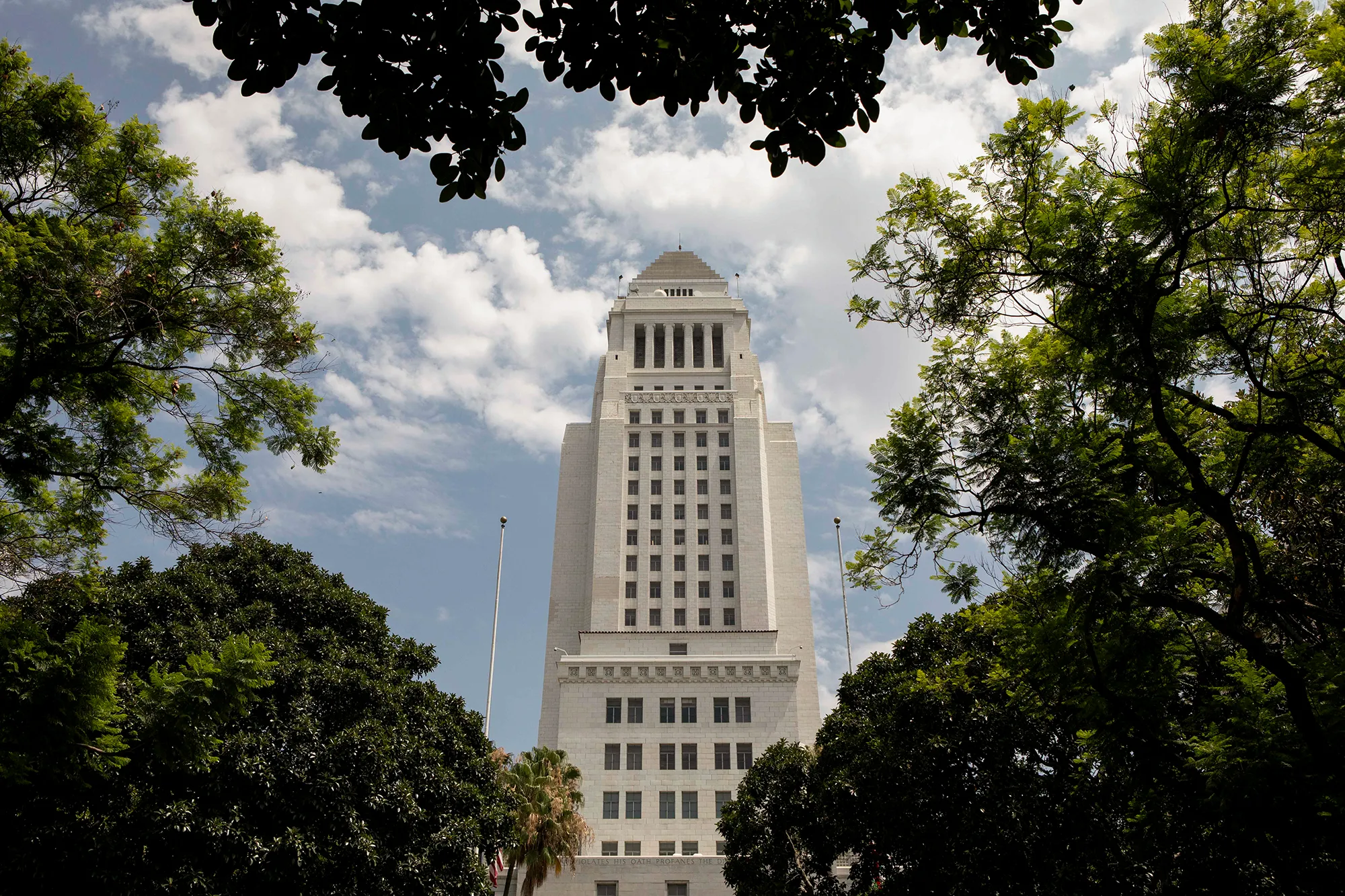
Political Reform in Los Angeles: A Change on the Horizon
Los Angeles is at a pivotal moment in its political landscape, though the chatter around these changes may not be as boisterous as one might expect. In just a month, voters in the City of Angels will decide on three significant government reform measures. These proposed changes could reshape the very structure of local governance and offer new paths toward accountability and representation.
The Proposed Reforms: What’s on the Ballot?
Voters will be presented with a variety of reform measures, each aimed at enhancing transparency and accountability within the local government.
-
Redistricting Commission: This proposal seeks to establish an independent body responsible for drawing electoral district lines, thereby removing the power from politicians who might manipulate boundaries for their benefit.
-
Financial Disclosure Rules: Another measure focuses on improving the financial transparency of city commissioners through stricter disclosure requirements.
-
Expansion of the County Board of Supervisors: This third initiative aims to broaden the Board of Supervisors and introduce a countywide elected leader akin to a mayor, positioning residents to have a more direct say in governance.
In addition to these ballot measures, a broader charter reform effort is underway, which could lead to a substantially expanded City Council—a concept that has been floated since the 1990s but was previously rejected by voters.
The Context of Reform: Historical Oversight
Understanding the urgency behind these reforms requires a look at recent history. Following the emergence of a scandal in 2022, when a recording surfaced revealing the racist undercurrents in discussions among city officials, the call for accountability became more pronounced. This incident illuminated the need for reform, although it seems public enthusiasm has waned over time.
Interestingly, many Angelenos do not appear to be exhibiting the same level of fervor that typically accompanies calls for reform. Historical parallels can be drawn with the significant overhaul of the Los Angeles Police Department in the 1990s, which emerged from a crisis of public trust and widespread unrest. The current proposed measures lack a similar catalyst of immediate public outrage, making their fate uncertain.
Public Sentiment: An Ambivalent Landscape
Polling data presents an intriguing picture. While residents overwhelmingly support reform initiatives when asked directly—indicating a desire for smaller and more representative districts and ethical governance—there isn’t a palpable, widespread anger about current political structures. Additionally, issues like escalating living costs and inadequate transportation seem to dominate public concerns, overshadowing the intricacies of local governance.
Despite this ambivalence, some surveys indicate a significant majority, as high as two-thirds of voters, might still back the proposed reforms if they are adequately informed.
The Challenge of Communication: Media’s Role
One of the key challenges for advocates of these reforms lies in effectively communicating the benefits. Many voters may be unsure about why expanding the Board of Supervisors or establishing a redistricting commission would improve their lives, especially as local news coverage increasingly diminishes. This lack of media focus means that essential information about these proposals may not reach the electorate or may become overshadowed by high-profile national political narratives.
Local media plays a critical role here. They need to explain complex issues and frame the conversation in a way that connects with residents’ everyday concerns. Without this, voters might not feel compelled to engage deeply with the ballot measures, relying instead on surface-level impressions.
Looking Ahead: The Path of Reform
As Election Day approaches, the political landscape remains uncertain. Will the Angelenos who report frustration with the current state of their lives connect that discontent to the need for structural reforms in governance? Or will they prioritize immediate daily challenges above long-term institutional changes?
The answers to these questions could determine the future of governance in one of America’s largest cities. The stakes are high, as Los Angeles stands on the brink of significant transformation, where the impulses for reform could either be harnessed into action or dissipate in the status quo’s inertia.
This exploration of Los Angeles’s potential for government reform illustrates not just a turning point but a conversation—one that seeks to empower citizens while grappling with the realities of apathy, historical context, and the pressing need for effective communication. The outcomes of these initiatives could reshape how Angelenos experience and interact with their local government for years to come.