
California’s Tax Tensions: A Closer Look at Upcoming Sales Tax Initiatives
By Dan Walters, CalMatters
As California stands at the threshold of a pivotal election year, voters will not only choose a new governor and fill various statewide offices but also grapple with significant ballot measures that could reshape the state’s fiscal landscape. Among these critical issues are the proposed sales tax increases in California’s largest urban areas, most notably Los Angeles County and the San Francisco Bay Area.
A Surge in Sales Tax Proposals
In the June primary elections, Los Angeles County officials are set to present a proposal for an additional half percentage point increase to its already steep sales tax rates, which hover above 10% in many cities. This increment aims to ameliorate the anticipated $2.4 billion deficit in federal health care funding over the next three years. The proposed increase is not merely a local issue; it symbolizes broader challenges surrounding fiscal management in a state known for its high cost of living and taxes.
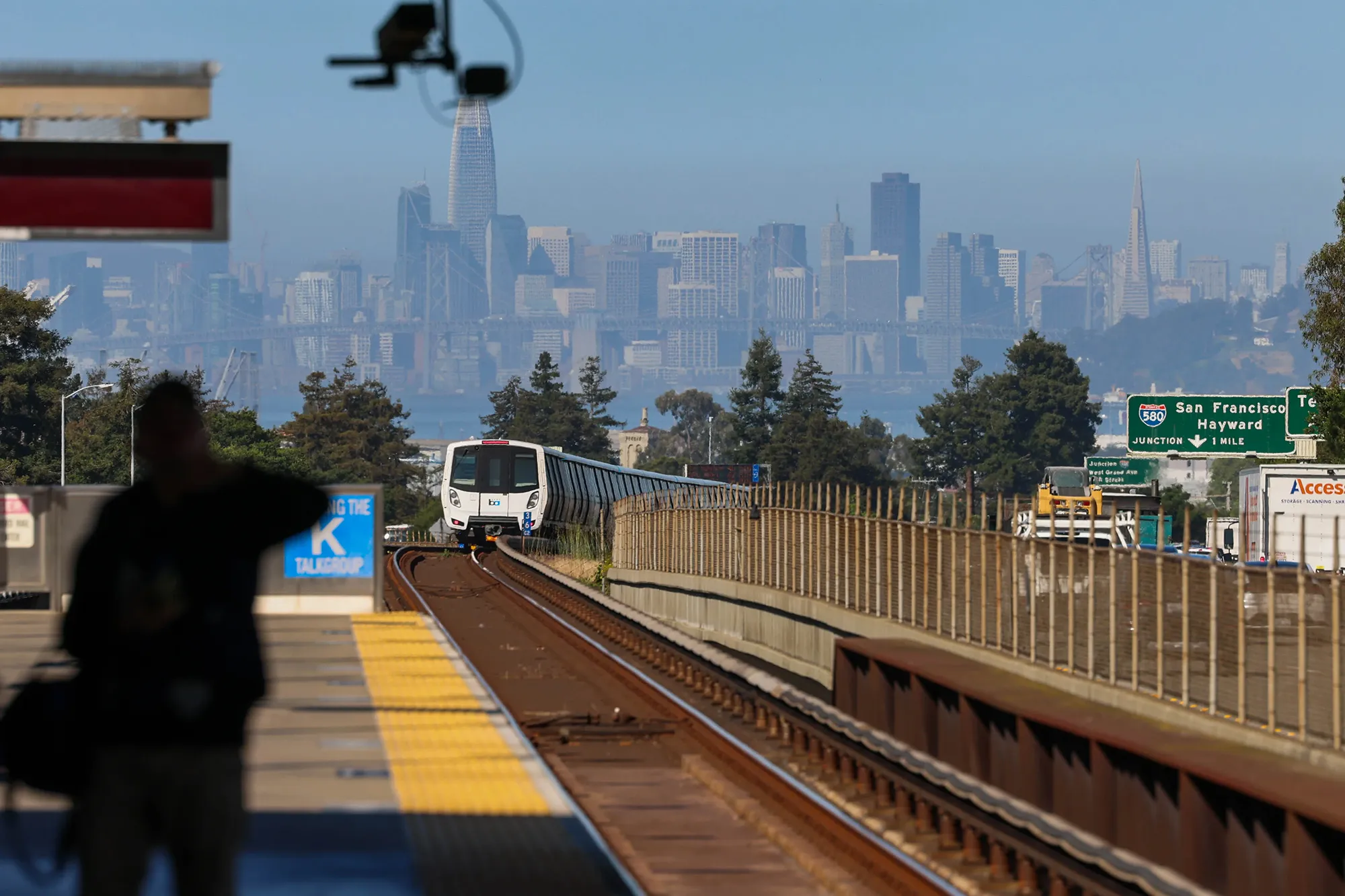
Similarly, voters in four Bay Area counties will decide in November on a similar half percentage point hike. San Francisco’s proposed increase is even steeper, asking for a full percentage point. This tax boost is presented as necessary to close the operational deficits of crucial transit services, including the Bay Area Rapid Transit (BART) system.
The Tax Landscape
California’s current sales tax rate of 7.25% is the highest in the nation and generates more than $70 billion annually. Approximately half of this revenue supports the state’s general fund budget, while the remaining funds are allocated to various local entities. However, when local override taxes are factored in, the average sales tax rate in California soars to 8.99%, making it the seventh highest in the country, with some areas approaching 11.25%.
The proposed increases this year are part of a troubling trend that has effectively dismantled a longstanding state law that caps local taxes at 2 percentage points above the statewide baseline. Local governments frequently seek legislative waivers to exceed this cap, and these requests are generally met with approval, further complicating the state’s tax structure.
The Controversy Surrounding Tax Increases
While the proposed tax hikes are framed as essential for funding critical services, they have sparked significant debate among various stakeholders. Los Angeles County Supervisor Holly Mitchell has strongly advocated for the healthcare tax increase, underscoring the looming fiscal danger posed by dwindling federal support. However, opposition is brewing — notably from the California Contract Cities Association — which argues that the increase could complicate local efforts to secure tax measures of their own.
The association’s executive officer, Marcel Rodarte, has pointed out that an additional county tax would create barriers for contract cities attempting to raise their sales tax rates. This contention highlights the intricate dynamics of governance and fiscal responsibility in a state that is grappling with an ever-increasing cost of living.
Bay Area Transit and Operational Concerns
The Bay Area’s proposed tax measures are equally contentious. They reignite discussions about the financial management of transit systems like BART, which critics argue are overly reliant on tax increases to sustain operations. Following significant declines in ridership during the COVID-19 pandemic, the systems have faced operational challenges that many believe could have been managed more effectively through operational adjustments rather than relying solely on increased tax revenues.
Governor Gavin Newsom and the state legislature approved a $590 million loan to help transit systems avoid drastic service reductions. However, this funding is contingent upon voter approval of the proposed tax increase—which is projected to yield around $980 million annually. Critics argue that transit authorities are utilizing fear tactics to push for this tax hike, with warnings of dire consequences for service levels if voters do not comply.
A Landscape of Demand and Service
The insistence on additional funds to sustain transit services is contrasted sharply by findings that indicate many systems, particularly BART, have not adapted their operations to the reduced demand experienced post-pandemic. Columnist Daniel Borenstein has noted the absurdity in the situation, pointing out that BART continues to offer more train services despite carrying significantly fewer passengers than pre-pandemic levels. The proposal for additional tax revenues often leans heavily on the perception of an operational crisis rather than a balanced discussion about necessary changes in service delivery.
As election day approaches, the dialogue around these tax proposals will continue to evolve, reflecting the complexities of governance, fiscal responsibility, and the expectations of California’s diverse populace. The decisions made in these elections could set a precedent for how local governments address funding gaps in crucial services amid economic challenges.