

The $25 Million Settlement: A Symbol of Political Influence in Los Angeles County
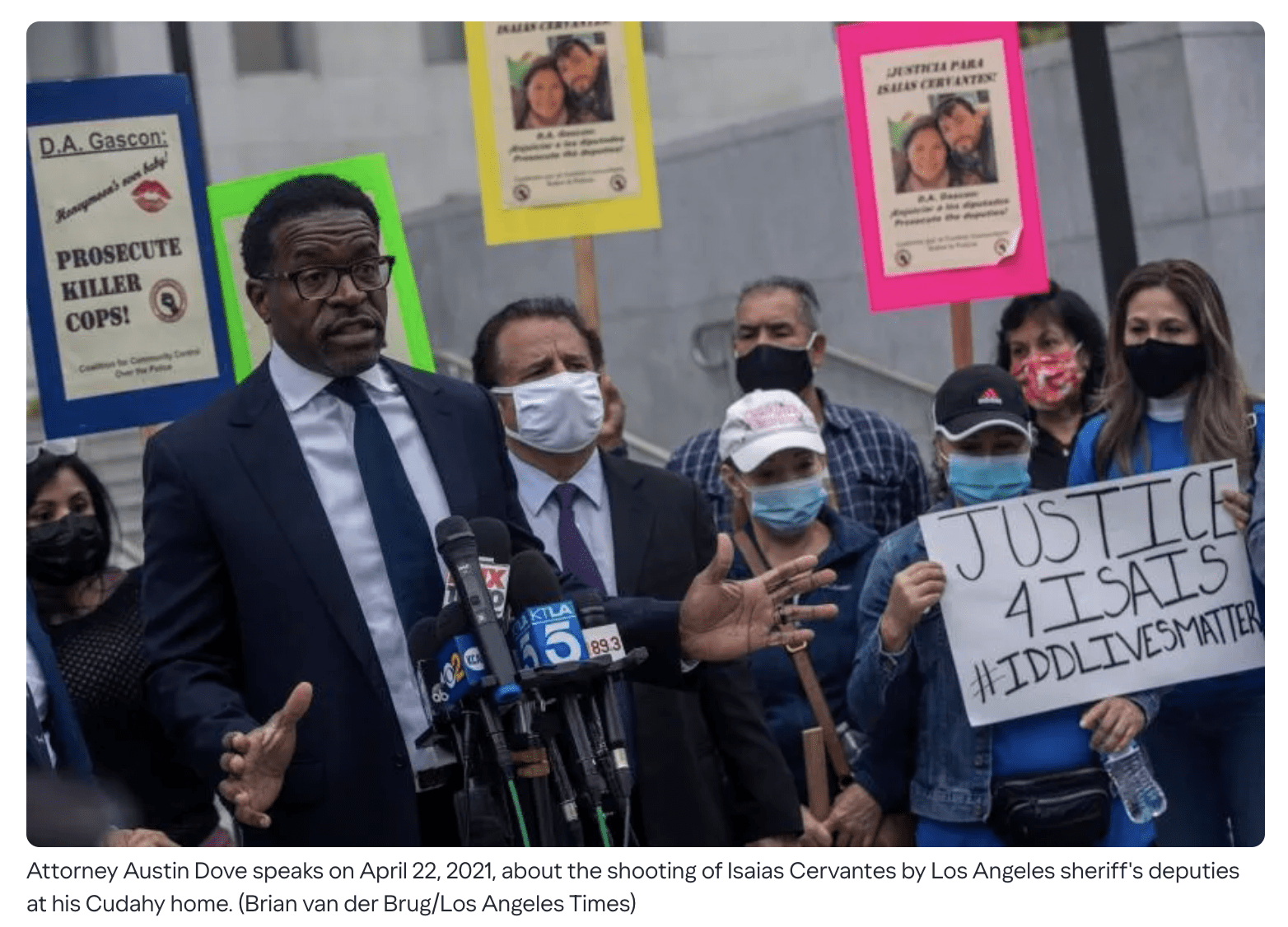
In a significant yet controversial decision, Los Angeles County approved a staggering $25 million settlement for the family of Isaias Cervantes, a young man tragically shot and paralyzed during a mental health crisis. Initially viewed as a significant step toward justice for Cervantes, the settlement has since been critiqued as emblematic of political favoritism and the convoluted dynamics of the county’s justice system.
The approval came swiftly: Supervisor Holly J. Mitchell championed the deal, which was seconded without further discourse, and funneled through the Sheriff’s Department Contract Cities Trust Fund. For attorney Austin Dove, representing the Cervantes family, this outcome translated into a financial boon, with contingency fees potentially exceeding $10 million. For taxpayers, the incident underscored an unsettling reality: personal connections frequently overshadow public accountability in county governance.
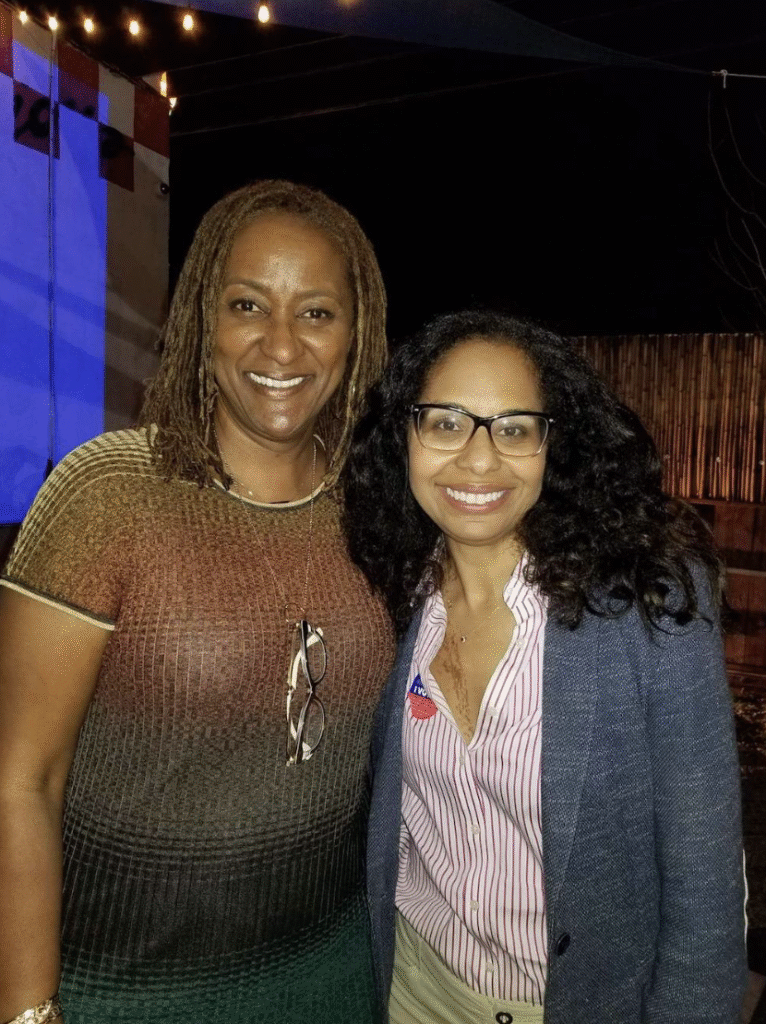
The backdrop of the Cervantes case is equally telling, intersecting with a contentious investigation into the Sheila Kuehl “Pay-to-Play” corruption probe. This unfolding drama highlights a tightly-knit circle of political allies and family ties that have characterized Los Angeles County’s governance.
As details emerge from these interconnected controversies—a record-breaking civil rights payout, ongoing criminal corruption investigations, and waves of campaign donations—it appears increasingly likely that Supervisor Holly Mitchell, Congresswoman Sydney Kamlager-Dove, and attorney Austin Dove are entangled in a complex web of influence. For instance, Kamlager-Dove’s donation of $62,705.82 to Mitchell has sparked questions about the interconnectedness of these entities.
Further complicating this narrative, records reveal that the Securing a Kinder Democracy PAC, a political action committee registered with the Federal Election Commission (FEC), is closely aligned with Kamlager-Dove, the PAC’s sponsor. Alarmingly, a donation to Mitchell’s campaign from this PAC occurred just 43 days before the county approved the $25 million settlement, raising serious ethical concerns regarding political influence.
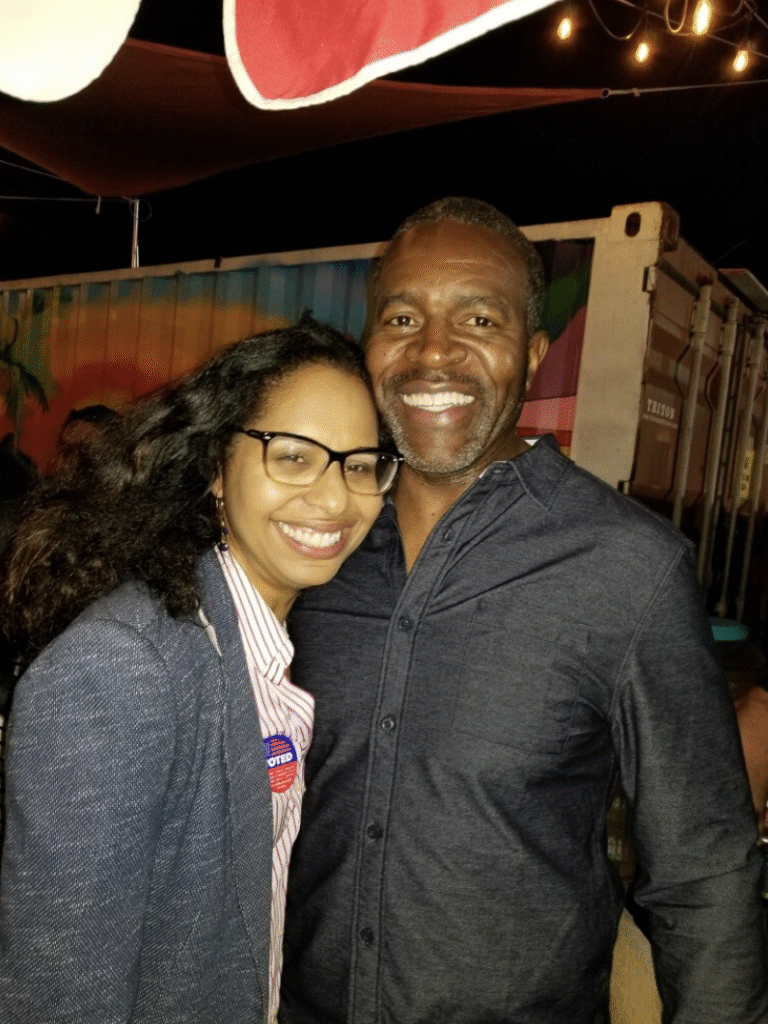
Dove’s influence extends beyond the Cervantes case. Shortly after the authorities initiated the L.A. Metro “Pay-to-Play” investigation targeting former Supervisor Kuehl and her associate Patti Giggans, Dove positioned himself as Giggans’ representative, establishing himself between investigative authorities and the core of the probe. This maneuver raised eyebrows and pointed toward a troubling interplay between legal representation and political protection.
Notably, while Dove was embroiled in this criminal investigation, Sydney Kamlager-Dove made two campaign contributions totaling $9,800 to Mia Bonta, wife of California Attorney General Rob Bonta. This financial support coincided with Kamlager-Dove’s public lobbying for AG Bonta’s Department to take control of the Kuehl-Giggans inquiry, suggesting a calculated effort to influence the case’s trajectory.
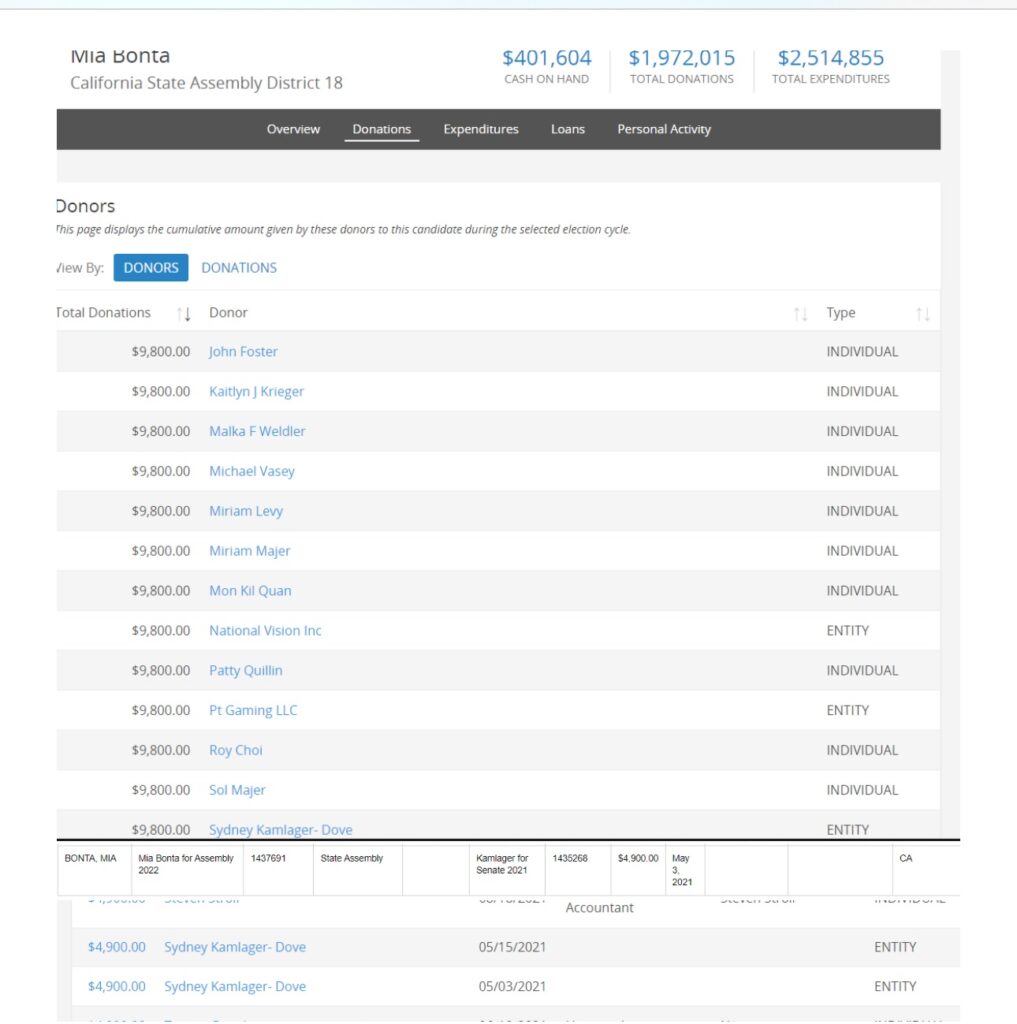
The consequences of these actions were far-reaching. Soon after Kamlager-Dove’s donations, the Bonta Department of Justice assumed control of the Metro investigation, stifling the LASD’s inquiry into Kuehl and Giggans. For observers familiar with the sequence, this was no random occurrence but rather a move indicative of strategic damage control masquerading as advocacy.
Dove’s dual roles in these investigations expose an unsettling juxtaposition: he transitioned from defense attorney in a criminal case to leading attorney in the civil case that secured Cervantes’ landmark payout—navigating the same political circles and benefitting financially from his wife’s political connections.
Comparative Analysis of Payouts in Police Misconduct Cases
The $25 million settlement significantly exceeds typical payouts for police misconduct, which generally fall between $3 million and $10 million. This massive figure is not only remarkable for its size but also alarming for the lack of accompanying reforms, public hearings, or acknowledgment of potential conflicts of interest.
Compounding the situation is the connection to past political scandals. Recent records reveal that former Supervisor Kuehl directed a campaign contribution to challenger Robert Luna immediately after a Los Angeles Times journalist alerted her to a forthcoming search warrant. This incident connects back to the troubling political atmosphere surrounding the sheriff’s office and the county’s governance.
Luna, capitalizing on controversies during his campaign, pledged to “restore integrity” to a department engulfed in accusations of corruption. However, his tenure has yielded little evidence of any tangible transfers of authority regarding oversight investigations.
Recent developments regarding the federal indictments of Shangri-La Industries executives for embezzling funds linked to Project Homekey reveal an even darker narrative. This same group of developers supported Luna’s campaign financially, raising questions about ulterior motives for the dismantling of the Public Corruption Unit, which previously served as a safeguard against such corruption.
The ongoing investigations into Los Angeles County’s political landscape shed light on an alarming trend: campaign support, strategic timing, and key relationships coalesce to shape outcomes, blurring the lines between governance and political gain.
With questions in the air regarding the ethical integrity of those in power, the newly established LA County Independent Ethics Commission faces its first chaotic test as scrutiny around the Cervantes settlement and existing connections mounts. Whether these events cross the line into criminality remains ambiguous, but the perception of a politically intertwined web is exceedingly pronounced.
For Los Angeles County, a history steeped in corruption only serves as a backdrop to the unfolding drama surrounding the Cervantes payout and the implications tied to the Kuehl-Giggans investigation. These overlapping issues spotlight the same influential figures repeatedly avoiding consequences while citizens bear the brunt of these convoluted machinations.