

Mario’s Moisture: A Rainy Impact Across the Southwest
Mario’s moisture has manifested as a double-edged sword across the southwestern United States, bringing gentle rain to some areas while unleashing torrential downpours in others. For many in the region, the rain was a welcome sight, especially considering the persistent dryness that had gripped the area for much of the year. However, as is often the case with significant rain events, the benefits were offset by a range of challenges.
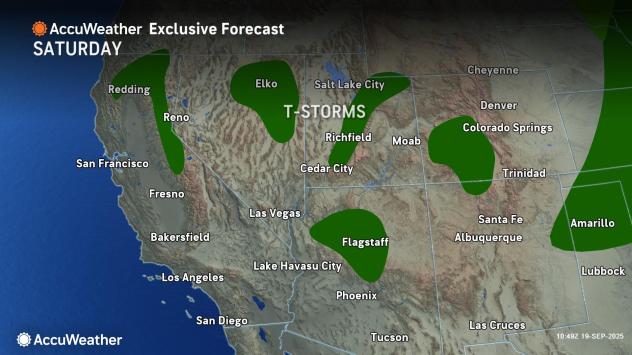
As the circulation center of Tropical Storm Mario dissipated over the Pacific, its tropical moisture spread out across vast swathes of the Southwest. This led to a variety of rainfall intensities, with some locales experiencing steady drizzles, while others were inundated with sudden, heavy rain. Following the primary influx of moisture, lingering rain persisted into Saturday, producing spotty showers and scattered thunderstorms.
Flash Flood Risks and Flashy Accidents
The intensity of rainfall brought forth by Mario resulted in slick roads and precarious driving conditions, triggering mudslides and localized flash flooding. Tragically, a young boy was swept away in the surging waters of a flash flood in Barstow, California, highlighting the dangers posed by sudden downpours. In response, the National Weather Service issued multiple flash flood warnings throughout Southern California, especially as the heaviest rains rolled in on Thursday and stretched into the following night.
This spike in rainfall led to numerous incidents across the region. Reports indicated that mudslides had damaged homes and affected roadways, causing significant disruptions for residents and travelers alike. In many spots, this was the most significant rainfall experienced since spring, with many communities finally getting a reprieve from the ongoing drought conditions.
Rainfall Totals: A Varied Landscape
While the rain was celebrated in many areas, the actual figures varied considerably. At Los Angeles International Airport, only 0.04 inches fell, a stark contrast to other regions which received substantial amounts. San Diego registered 0.45 inches, with mountain areas, such as Big Bear, receiving an impressive 1.71 inches and China Lake racking up a noteworthy 3.17 inches. Even the Central Valley saw a boost, with Fresno accumulating approximately 0.81 inches — a staggering 2,600% of the month’s historical average rainfall of just 0.03 inches.
The rains also reached the typically dry deserts, with Palm Springs and Needles measuring 0.28 and 0.33 inches respectively. Nearby cities, including Phoenix and Las Vegas, limped along with just under 0.25 inches. This widespread rainfall marked a significant anomaly for September, where most areas typically expect to receive between 0.10 and 0.33 inches for the entire month.
The Aftermath and Future Forecasts
Despite the significant downpours, soil saturation remained limited following the Thursday-to-Friday deluge. However, meteorologists at AccuWeather are already keeping a watchful eye on another system predicted to bring additional rain early next week. Although this upcoming storm is expected to be less intense overall compared to Mario, it’s anticipated to generate localized heavy rainfall capable of triggering more flash floods.
“With the new storm setup, we may see more thunderstorm activity than during Mario,” stated AccuWeather Senior Meteorologist Heather Zehr. Areas neglected by Mario’s heavier rain might be vulnerable to new risks, including the possibility of lightning igniting wildfires.
Safety Precautions and Community Awareness
Communities across the Southwest are acutely aware of the dangers associated with significant rainfall, especially with recent events bringing into sharp focus the risks of flash floods and debris flows. Efforts are underway to keep residents informed and safe, with numerous alerts being disseminated to warn individuals of potential dangers.
In such unpredictable weather patterns, it’s crucial for residents to stay alert and prepared. Implementing necessary precautions, such as avoiding driving through flooded areas, can significantly reduce risks during these intense weather events.
By remaining informed and vigilant, communities can navigate the complex interplay of moisture and storm systems, ensuring safety while also appreciating the vital rain that nature provides to alleviate drought conditions.