

Los Angeles Rolls Out Food Cart Giveaway Amid Controversy
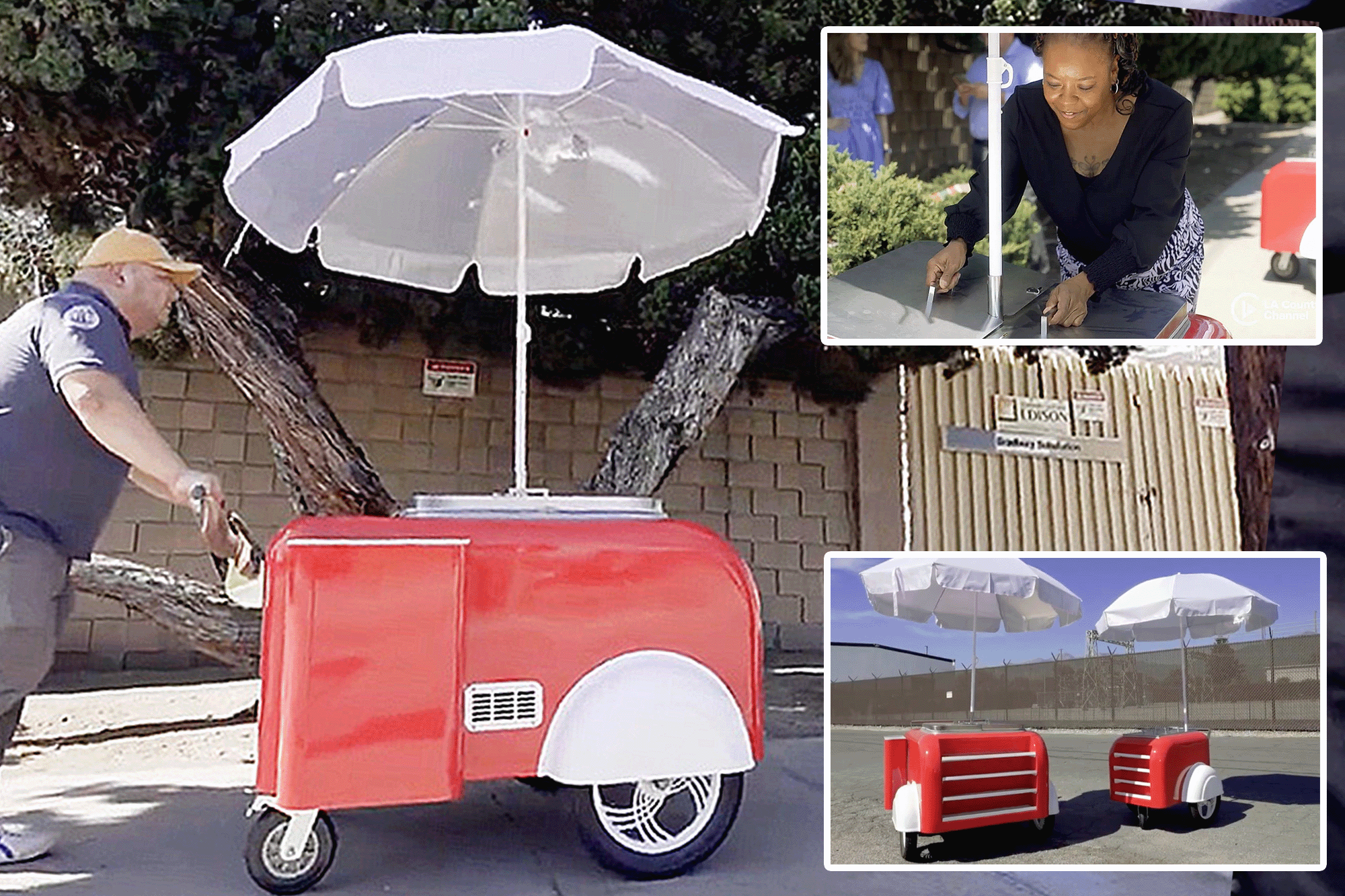
Los Angeles is taking a bold step to support street food vendors through a new program that provides nearly 300 free street food carts. This ambitious $2.8 million initiative, aimed at integrating these vendors into the “legal economy,” has sparked significant discussion, particularly among established restaurateurs who feel this effort highlights the regulatory disparities in the food industry.
The Program Overview
Launched in January, the food cart initiative will distribute 281 health-code-compliant carts to sidewalk vendors throughout Los Angeles County. This move is more than just a simple giveaway — it’s part of a larger equity initiative designed to empower small business owners who traditionally operate on the fringes of the economy. Applicants must be at least 18 years old, reside in Los Angeles County, and earn less than $75,000 annually from vending to qualify for the program.
The carts are designed to meet California’s Compact Mobile Food Operation standards and will be provided free of charge once the required permits are obtained. The program waives the $604 sidewalk vending registration fee for the first two years, reducing it to $100 in the third year. Additionally, vendors can benefit from a 75% subsidy for health permits and grants of up to $5,000 to assist with startup costs.
Concerns from Established Restaurateurs
The rise of this program has not gone unnoticed by established restaurateurs. Andrew Gruel, a prominent Southern California chef and owner of the Slapfish chain, has expressed significant concerns. Gruel argues that the policies favoring street vendors create an imbalanced playing field that further constrains traditional brick-and-mortar establishments.
“There are two different sets of rules,” Gruel pointedly remarked, highlighting the harsh reality for traditional restaurants that operate under strict zoning, health standards, and wage laws. He has pointed out the irony that while the city provides financial incentives for street carts, brick-and-mortar businesses continue to face the burden of extensive regulatory compliance.
Street Vendors vs. Traditional Restaurants: The Regulatory Divide
Gruel’s experience sheds light on the broader issue at play in Los Angeles. He has been vocal about the challenges that come with running a traditional restaurant, stating, “If I were to operate outside the regulatory framework, I would be hit hard.” He argues that while it’s essential to recognize the role of food vendors in the local economy, it’s equally important to ensure that traditional businesses receive similar support.
Furthermore, Gruel’s comments reveal a nuanced understanding of the economic landscape. He raises concerns about street vendors operating cash-only businesses, often not subject to the same sales tax obligations, and their exemption from environmental health standards and fees generally enforced on restaurants. In Gruel’s eyes, this discrepancy not only harms the integrity of the business environment but could also be detrimental to consumers seeking quality and regulated dining experiences.
What the City Officials Are Saying
Hilda Solis, a Supervisor in Los Angeles County, has championed the street food cart initiative, stating, “Food vendors play an essential role in the economic and cultural vitality of Los Angeles County.” She envisions this program as a pathway to fostering small business growth and economic stability, arguing that it helps create opportunities for generational wealth in underserved communities.
The city envisions that by easing the barriers for street vendors, they can transition these workers into a more formalized economic system, which would ultimately benefit the entire community. Solis’s statement underscores a broader societal belief in equity and access to opportunities in the food service industry.
Roadblocks: Implementation Challenges
Despite the program’s positive intentions, the rollout may not be as smooth as officials hope. Similar initiatives have faced significant challenges elsewhere, such as the recently abandoned food cart initiative in Long Beach, where officials reported a lack of applicants completing the necessary permitting process. Many interested vendors found the complexities of the application daunting, leading to disappointing participation rates.
Los Angeles officials are aware of these hurdles, and the expectation is that the process for vendors to secure a cart may take three months or longer. Skepticism about the program’s implementation fuels the tension between vendors and traditional restaurateurs, raising questions about whether the initiative can achieve its ambitious goals.
The Path Forward
Gruel has made it clear that he does not advocate for a crackdown on street vendors; rather, he seeks equitable treatment across the board. Advocating for deregulation, he suggests that if the city is allocating millions to support street vendors, similar resources should be directed toward supporting struggling brick-and-mortar restaurants.
The ongoing debate in Los Angeles reflects broader trends and tensions within urban economies where innovation in food service challenges traditional business models. As the city moves forward with its initiative, the dialogue sparked by this program will likely continue, shaping policy decisions that affect the future of both street vending and traditional restaurants in a rapidly evolving culinary landscape.