

The Misconception of Perfect Weather in Los Angeles
Introduction
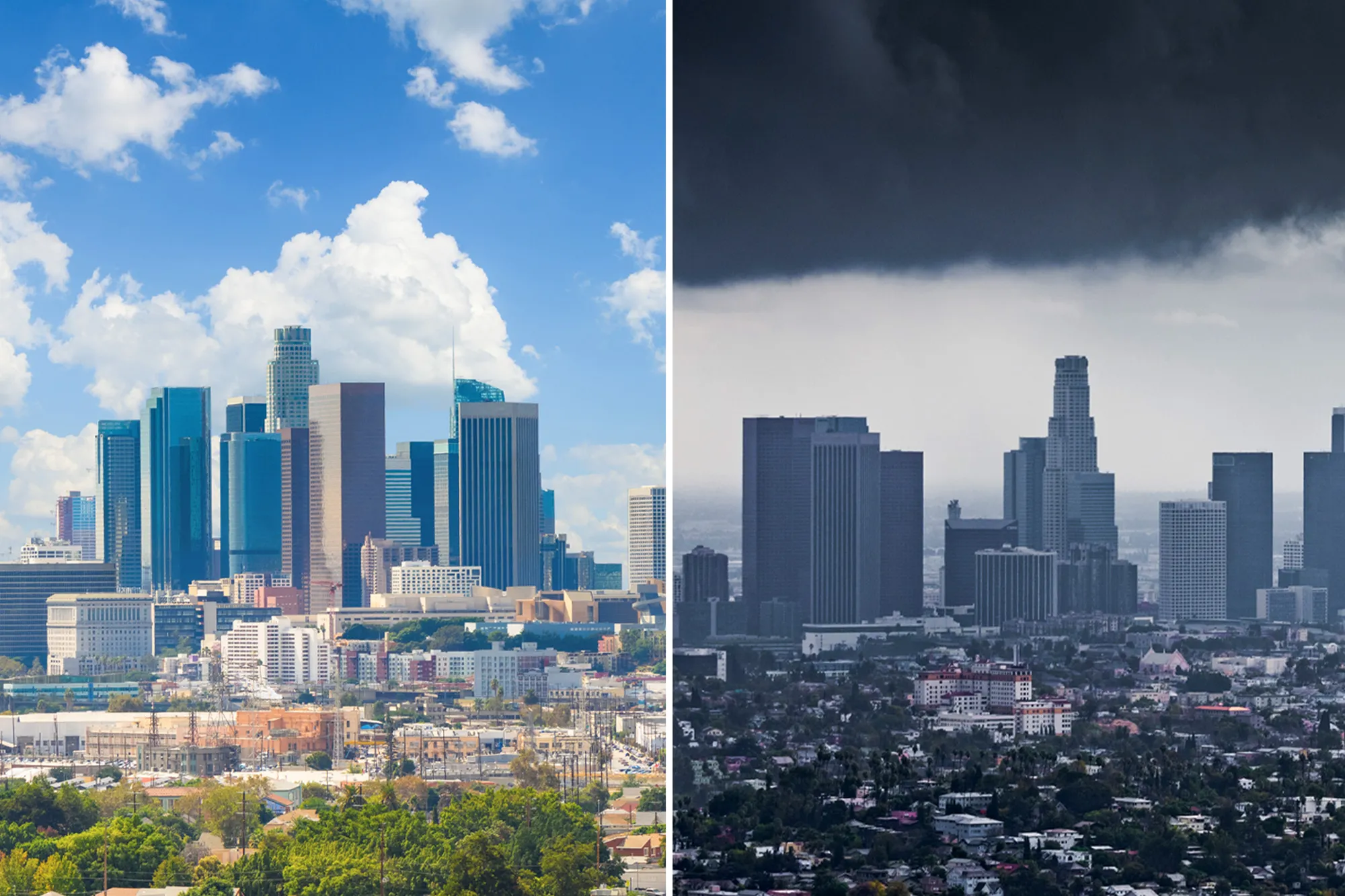
Los Angeles, often celebrated for its sunny disposition and mild climate, presents a narrative of perfect weather that many may take at face value. However, the reality is far more complex than the upbeat lyrics of Randy Newman suggest. In this article, we delve into the intricate weather patterns, unique micro-climates, and extreme weather events that define the City of Angels.
The Reality Behind the Reputation
Randy Newman’s catchy ballad, “I Love L.A.”, might lead one to believe that the city enjoys uninterrupted sunshine year-round. Yet, those who live and work amidst the city’s nuanced climate reveal a different story. Meteorologist Craig Herrera, who has spent years forecasting in Los Angeles, challenges the notion of an easy job. He asserts that “micro-climates” play a substantial role, creating a diverse range of weather conditions even within short distances.
Micro-Climates: A Weather Rollercoaster
Los Angeles features six distinct micro-climates that significantly influence local weather. From coastal breezes in Santa Monica to higher temperatures in the San Fernando Valley, the variations are stark. Daniel Swain, a climate scientist at the California Institute for Water Resources, emphasizes that these micro-climates are responsible for “hydroclimate whiplash,” making the region prone to extreme weather patterns, from heavy rains to severe droughts.
The Dual Nature of Precipitation
The concept of “hydroclimate whiplash” refers to the rapid transitions between wet and dry periods that California frequently experiences. Swain points out that when it rains, it pours—often leading to severe flooding—even as droughts worsen in dry spells, triggering wildfires. This duality greatly complicates the weather landscape that residents face.
Warnings from the Experts
Todd Hall, the warning coordination meteorologist for the National Weather Service, reflects on his two-decade career issuing weather warnings in Los Angeles. With a staggering average of 150 marine warnings and a handful of severe storm or tornado warnings each year, Hall notes most people are unaware of L.A.’s tornado potential. “We actually live in a very tornado-prone area,” he states, explaining that while smaller than those found in Tornado Alley, the local tornadoes occur more frequently.
The Marine Layer: A Signature Element
A key factor in Southern California’s weather is the marine layer, a phenomenon stemming from colder Pacific waters. This layer contributes to the foggy conditions often seen in beach towns during late spring and early summer. Hall mentions the familiar terms “May Gray” and “June Gloom,” noting that these cooler months can extend as late as August, making the coastal areas distinct from the sun-baked inland cities.
Atmospheric Rivers: A Force of Nature
Another compelling aspect of L.A.’s weather system is the presence of atmospheric rivers—long plumes of moisture originating from the Hawaiian Islands. Tom Corringham, an economist at UC San Diego’s Scripps Institution of Oceanography, elaborates on how this moist air ascends over mountains leading to significant rainfall. The sheer amount of data collected by the National Weather Service illustrates a long history of weather-related events in the area, including catastrophic flooding and a so-called “blizzard of 2023.”
Tracking Severe Weather Trends
A recent assessment outlined by the National Weather Service identifies significant historical weather events, such as tornadoes and heat waves, that underline L.A.’s dynamic climate. This history serves as a reminder that while L.A. may boast many sunny days, the potential for severe weather is ever-present.
Perceptions of Perfect Weather
Despite the unpredictable nature of L.A.’s climate, some still maintain that the average conditions make it one of the best places to live. Swain acknowledges that while the weather is generally pleasant—”it’s often sunny and usually not extremely hot”—the underlying potential for extreme weather should not be overlooked. With Los Angeles ranking sixth for severe weather days among major U.S. cities, there’s a nuanced reality beneath the cheerful facade.
The Quest for Perfect Weather
So as we consider the allure of perfect weather, one must ask: does it truly exist? While L.A. offers a climate that many find agreeable, the complexities involved make it a far cry from the unblemished paradise some envision. Thus, the idea of “perfect weather” remains subjective and layered, much like the city itself.