

Echo Park Eats: A New Era in Los Angeles Dining
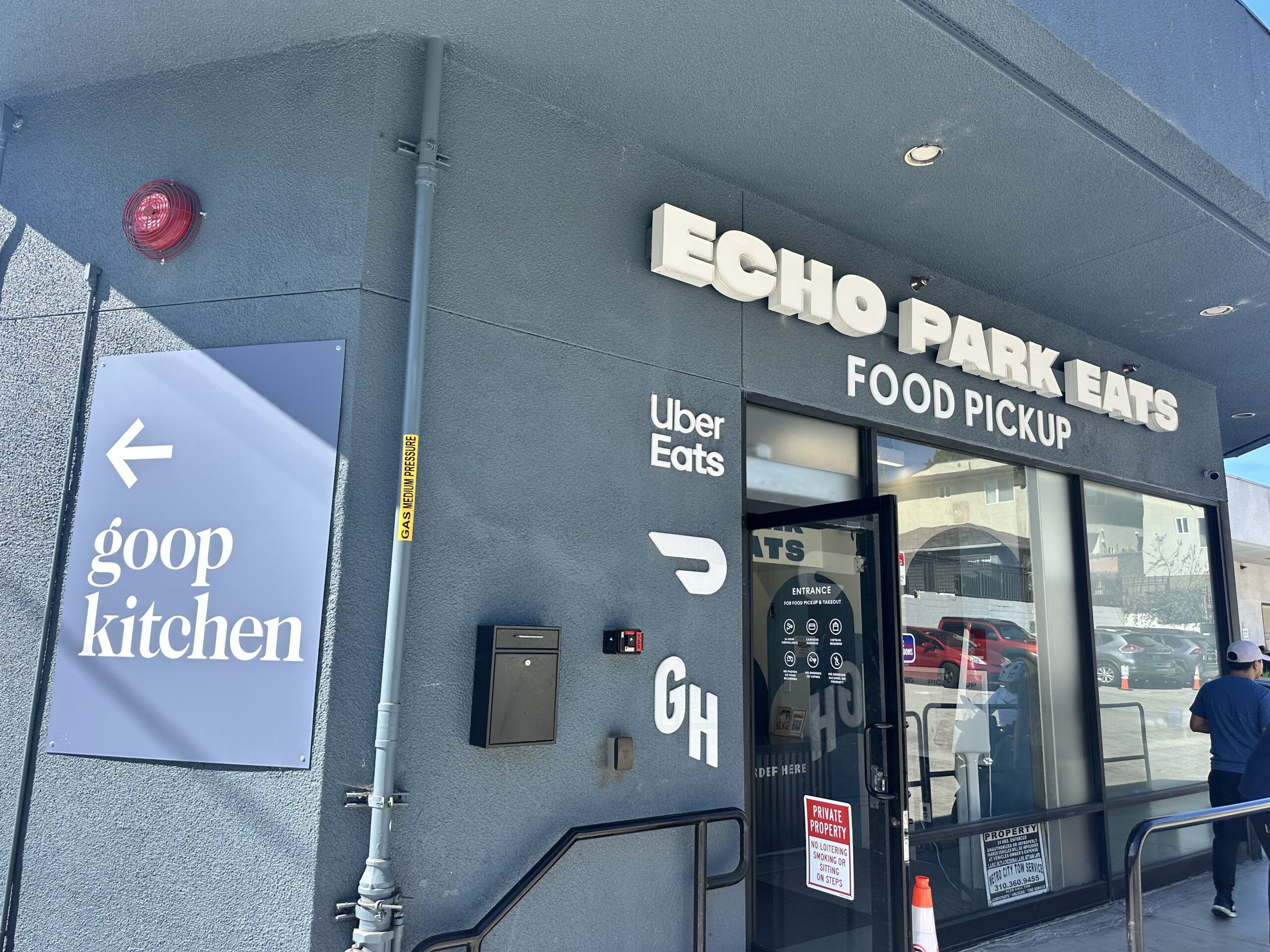
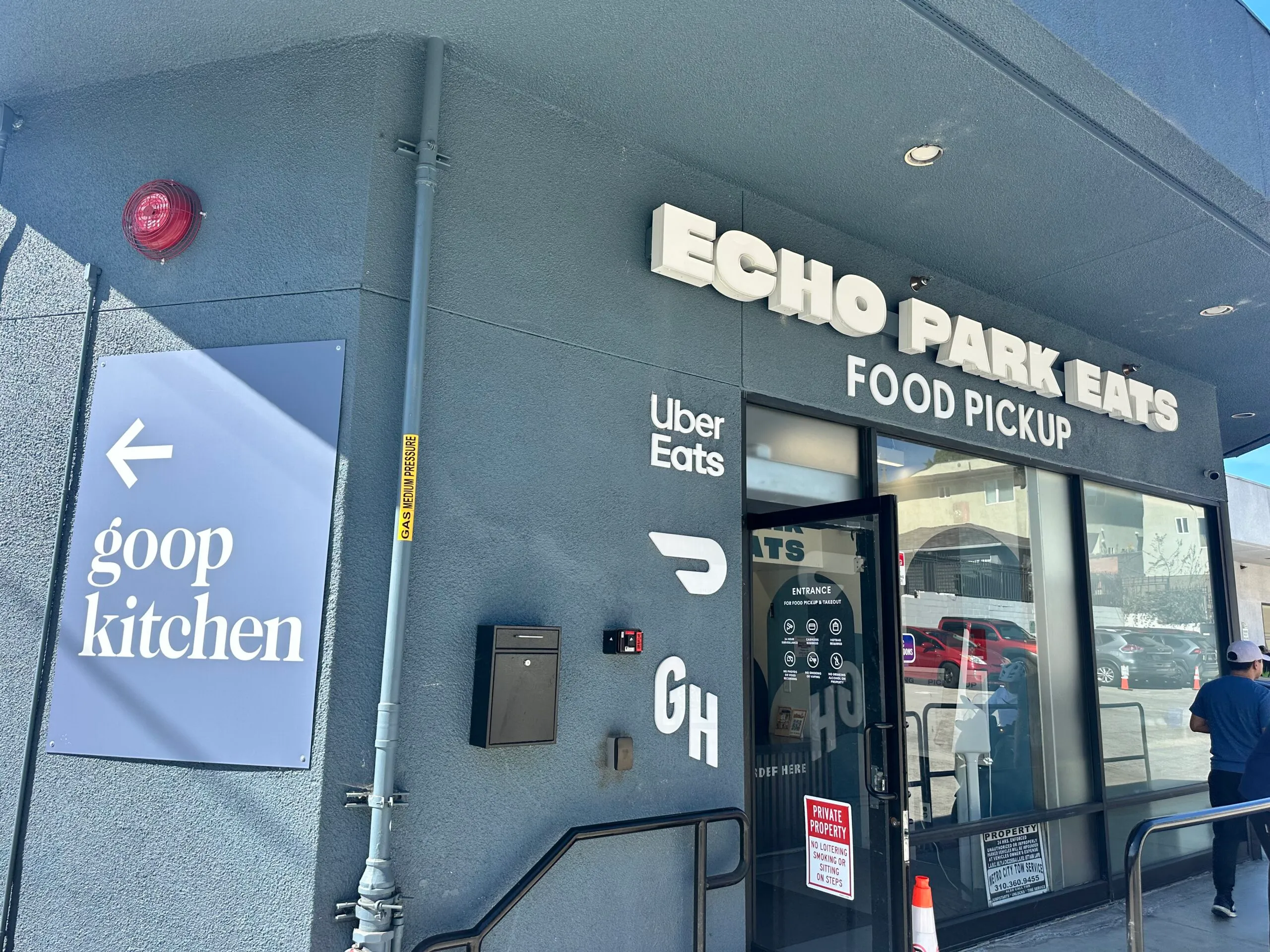
The storefront at Echo Park Eats, which rents ghost kitchens to 40 restaurants. Photo: Jarrett Carpenter
As celebrated spots like Papa Cristo’s in Pico-Union and French eatery TAIX in Echo Park shutter their doors, there’s palpable concern about Los Angeles’s vibrant restaurant scene fading away. In stark contrast, however, 2024 witnessed the launch of 758 new restaurants—an impressive number that surpassed the previous record set just a year earlier with 729 openings.
The Split-Screen Dining Experience
This dichotomy of flourishing new establishments amidst closure highlights a significant shift in the industry landscape across the nation. With the surge of digital ordering platforms, restaurants are redefining their operational strategies by minimizing physical space, cutting down on staff, and adjusting their profit margins. The modern eatery often relies on technology, utilizing self-service tablets and popular delivery apps like DoorDash, GrubHub, and Uber Eats to drive business.
Notably, “limited-service” restaurants now represent nearly one-third of all new establishments, while traditional, full-service dining also witnessed growth, with 539 openings in 2024 alone. When coffee shops and snack bars are included, the numbers are even more encouraging for food entrepreneurs.
Pizza to Go: A Leaner Model
The adaptability of many restaurateurs is evident in the evolving business model. Take Liz Gutierrez, for instance. After transitioning her pop-up venture, Fiorelli Pizza, into a compact storefront in Beverly Grove, she capitalized on the reduced labor requirement and manageability that came with this approach.
“This was something that could be operated with minimum labor, it could be way more manageable in terms of fixed costs, and we could still deliver restaurant-quality food,” Gutierrez noted, highlighting a trend of embracing efficiency amid economic challenges.
The QR Code Revolution
According to Linchi Kwok, a respected researcher in hospitality management at California State Polytechnic University, the rise in labor costs and a shortage of interest in hospitality careers have pushed restaurant operators toward cost-effective solutions. “Limited-service restaurants don’t have to hire many people to do the work,” Kwok explained. This model cuts down on labor expenses while improving turnaround times.
Despite the convenience of delivery apps, restaurants are left with thinner profit margins—often just 2-4%—as they share their earnings with delivery services. This, in turn, has led to reduced staff, with many positions once deemed essential becoming obsolete in this new context.
Challenges Amid Growth
Even with record-breaking new openings, operating a restaurant in Los Angeles remains challenging. Jot Condie, president of the California Restaurant Association, pointed out that even though taxable restaurant revenue hit $11 billion in 2024, it’s on par with numbers from over a decade ago when adjusted for inflation. “The piece of the pie that each restaurant gets is slimmer,” he remarked.
Moreover, factors such as changing entertainment work dynamics and regulatory pressures, including stricter labor oversight, have complicated the restaurant climate. Restrictions introduced by city hall only exacerbate these challenges, making many restaurateurs feel as though the regulatory environment is increasingly hostile.
Interestingly, the balance of new openings against closures shows a promising trend; while 593 full- and limited-service restaurants have closed since 2021, the net gain is still notable, with 3,148 openings in the same period.
Enter Ghost Kitchens
Ghost kitchens, spaces used exclusively for delivery, are gaining traction in Los Angeles. Facilities like Beverly Bites and Echo Park Eats showcase how 40 or more restaurants can successfully operate from the same location, targeting efficiency and adaptability. The arrangement allows restaurant owners to save on overhead, foot traffic, and staffing concerns.
Ali Elreda, who recently opened Fatima’s Grill in Echo Park Eats, has already embraced this model, viewing it as a savvy business move amidst rising costs. “A lot of people are going the ghost-kitchen route because it’s quicker and faster,” he explained. “You avoid a lot of overhead… having to find staff these days with the expensive economy out there is kind of tough.”
For many restaurateurs, this eliminates the arduous task of hunting for prime real estate in a competitive market. Elreda adds that ghost kitchens can be a solution to focusing solely on food quality, leaving out the complexities of traditional dine-in operations.
The world of dining in Los Angeles is obviously undergoing a transformation. Restaurants and entrepreneurs are responding resourcefully to the economic climate, pioneering a new era of food service that balances traditional dining elements with modern technology and delivery efficiencies.