
The Stinky Tofu Controversy at Golden Leaf Restaurant
In the vibrant San Gabriel Valley, home to a rich tapestry of Taiwanese culture, one iconic dish has recently become a flashpoint in local dining discourse: stinky tofu, or chou doufu. This daring delicacy, known for its pungent aroma reminiscent of fermented gym socks, has been at the center of a debate affecting Golden Leaf restaurant—a beloved family-run establishment.
A Taste of Home
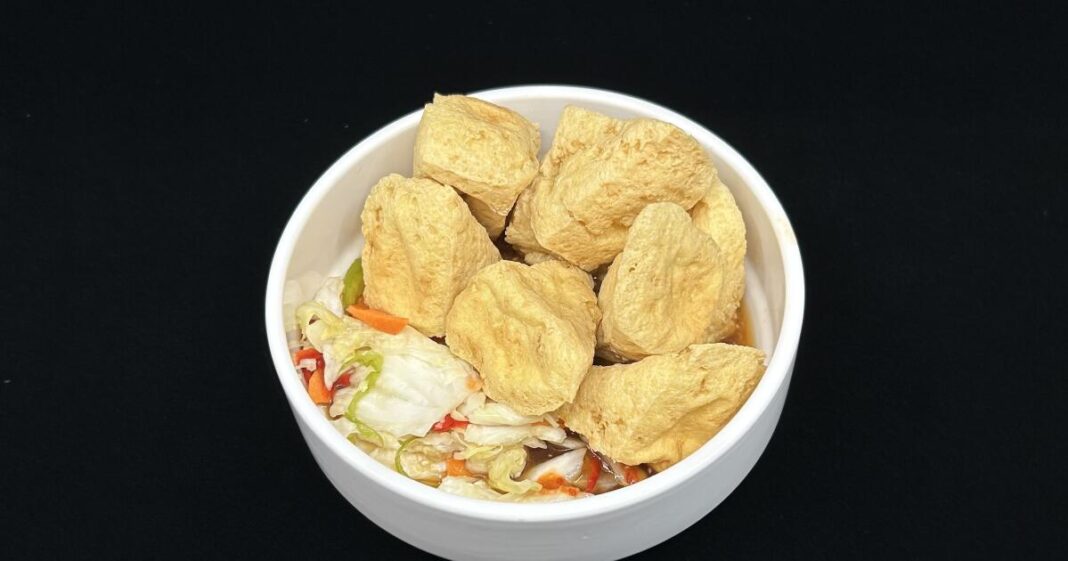
David Liao, owner of Golden Leaf, emphasizes the cultural significance of stinky tofu as more than just a culinary experience; it serves as a connection to home and tradition for many. “The scene of stinky tofu in Taiwanese night markets is an invitation to community and tradition,” he says. Stinky tofu is traditionally deep-fried, resulting in a crunchy exterior and a soft, sponge-like center, releasing flavors that range from mildly funky to eye-wateringly strong.
For three years, stinky tofu was a signature offering at Golden Leaf until complaints from a neighboring resident led to its removal. Liao explains the complicated nature of these grievances, recounting how the complaints originated from a resident not even living directly behind the restaurant.
Neighborhood Complaints
In 2017, a neighbor began voicing displeasure over the smell, even while other patrons enjoyed the dish without issue. Liao and his family took to the streets to investigate, wandering the residential area to detect any hint of the troublesome aroma. However, their inquiries yielded no corroboration from nearby businesses or customers.
Despite the absence of community consensus on the unpleasantness of the smell, multiple visits from health and city officials soon culminated in a warning from the city. The municipal code cited prohibited discharges of air contaminants that could harm comfort and safety.
The Financial Impact
The decision to remove stinky tofu from the menu came with significant financial repercussions. According to Liao, the dish contributed about 10% to 20% of the restaurant’s total revenue. “It wasn’t a dish that the family could afford to stop preparing,” he laments, as the absence of stinky tofu not only affected the bottom line but also diminished the cultural representation of Taiwanese cuisine in the area.
Cultural Ramifications
The stinky tofu debate is emblematic of broader cultural tensions in Southern California’s diverse culinary landscape. As the largest Taiwanese population in the U.S. resides in Los Angeles County, maintaining this unofficial national dish assumes considerable importance for local communities. “Keeping this unofficial national dish alive is crucial,” Liao asserts, stressing that for many customers, it is a cherished link to their roots and heritage.
A Fight to Revive Stinky Tofu
In 2025, Liao launched a newsletter to announce spontaneous stinky tofu offerings at Golden Leaf, hoping to reconnect with customers who missed the dish. Unfortunately, the neighbor’s complaints persisted, leading to the blocking of the restaurant’s phone line and another formal notice of violation from the city.
With the new notice came a reminder of the local ordinance against “obnoxious or adverse odors,” further complicating the restaurant’s efforts to bring back stinky tofu. Liao reached out to the city for clarity on what constituted an “obnoxious” odor, questions that remain largely unanswered.
Balancing Tradition and Modern Regulations
The city’s stance, as articulated by community development director David Sanchez, centers around addressing complaints from residents regarding odors extending beyond property lines. This complex situation raises questions about cultural diversity and acceptance within the urban landscape. Local city councilmember John Wu acknowledges the complaints but emphasizes the need for solutions like improved filtration systems.
The options presented to Liao, including the installation of a filtration system or ventless fryer, posed significant financial challenges. While Wu expressed hope that Liao could eventually resume serving stinky tofu, the uncertainty around the effectiveness of these solutions left Liao unconfident in making a considerable investment.
Community Support and Cultural Resonance
Public sentiment is a mix of support and concern, as reflected in a petition created by Liao to advocate for cooking stinky tofu in San Gabriel. This petition received over a thousand supporters, highlighting the widespread appreciation for this traditional Taiwanese dish.
Clarissa Wei, an author who celebrates Taiwanese culture, underscores the importance of understanding and accepting diverse culinary traditions. “When foods are labeled obnoxious or adverse, it risks flattening that diversity,” she contends, stressing that stinky tofu deserves a place in the culinary conversation as a beloved comfort food in many cultures.
As the debate continues, the future of stinky tofu at Golden Leaf Restaurant remains uncertain, encapsulating the challenges of cultural representation in a rapidly changing urban environment.