
The Rise of Modern Korean Cuisine in Los Angeles: A Culinary Journey
A Journey Years in the Making
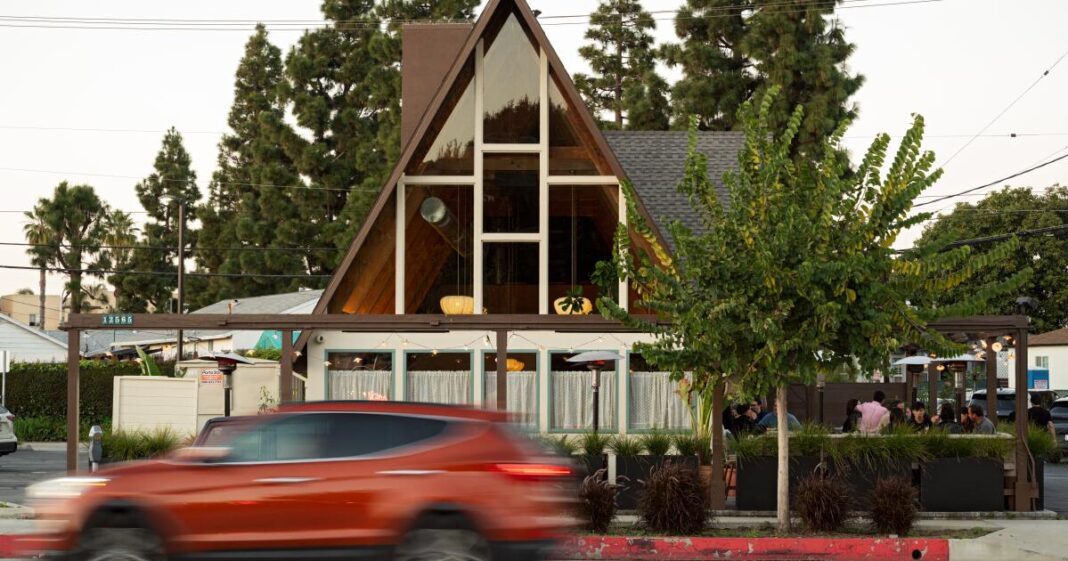
For the past 15 years, Debbie Lee has been at the forefront of a culinary movement, eager for modern Korean cuisine to step into the spotlight. Back in 2010, this seasoned Korean American chef launched Ahn-Joo, initially a food truck, which eventually expanded into a short-lived kiosk in Glendale. Her innovative menu featured Korean fried chicken and playful street food snacks like bacon-wrapped rice cakes and Fuji apple egg rolls. “My vision was to create a Korean pub, but it might have been ahead of its time,” Lee reflects. Her ambition has finally come to fruition with the opening of Yi Cha, her pojangmacha-inspired gastropub in Highland Park, a milestone achieved over two years of anticipation.
An Epoch of Dining Evolution
Yi Cha, which opened last October, is more than just a restaurant; it’s a representation of Lee’s cultural identity and a testament to how Korean food has evolved beyond the confines of Koreatown. Recent establishments like Hojokban LA, Super Peach, and the Mulberry are trailblazing this path, catering to a wider audience. These newcomers are redefining the dining landscape of Los Angeles by presenting contemporary Korean cuisine that merges traditional elements with inventive twists, often served alongside enticing cocktails featuring sool, Korea’s traditional rice-based spirits.
A Culinary Revolution
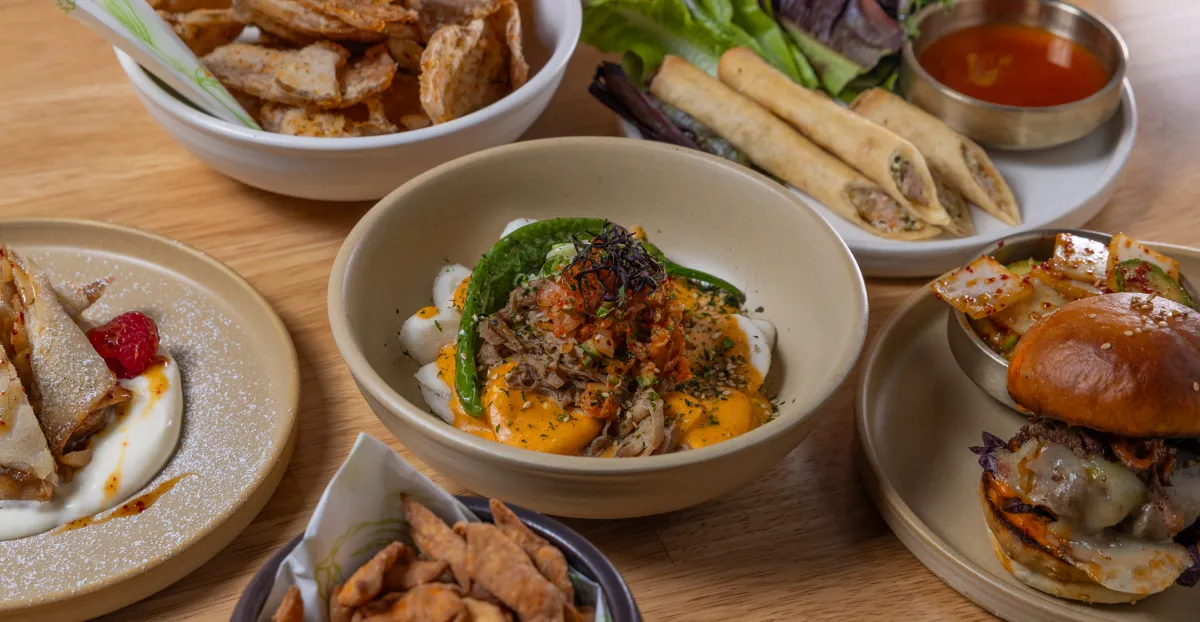
The new wave of Korean restaurants in Los Angeles blends time-honored cooking methods with global influences, carving unique paths within the city’s ever-expanding Korean dining scene. Menus remain anchored in Korean culinary traditions while introducing novel takes on familiar dishes. At Yi Cha, patrons can indulge in esquites-style corn cheese and crispy rice cake “nachos” accompanied by ginger-braised pork. Meanwhile, Hojokban transforms Nongshim Shin Ramyun into decadent fried rice, and Super Peach elevates gimbap by stuffing it with wagyu beef and Chinook salmon.
A Decade of Cultural Growth
Reflecting on the evolution of Korean cuisine in America, it’s important to remember how far it has come. About a decade ago, while viral hits like “Gangnam Style” took the world by storm and Korean-Mexican fusion eateries like Kogi captured the spotlight, the mainstream awareness of Korean food was still in its infancy. It wasn’t until 2016 that terms like “gochujang” and “doenjang” secured their places in the English lexicon through cookbooks and culinary explorations. The momentum continued, with Korean cultural phenomena gaining traction and turning Korean cuisine into a staple in the American culinary landscape.
Breaking Boundaries
As Korean food gains more visibility, diners are now more open to exploring beyond traditional Korean neighborhoods. Despite its changing demographics, Koreatown remains a cultural and economic hub for Korean Americans since the 1960s. Upscale pioneers like Baroo and Restaurant Ki have led the way for more casual dining options to blossom, spreading the love for Korean cuisine further into neighborhoods not traditionally associated with this culinary heritage.
Embracing Ingredients and Evolution
With diners increasingly familiar with ingredients like doenjang and gochujang, establishments like Hojokban LA aim to honor traditional Dishes while adapting them to modern tastes. Einstein Park, director at GFFG, the group behind Hojokban, explains how the culinary team avoids a solely inventive approach. Instead, they draw inspiration from contemporary dining trends and the home cooking of everyday Koreans. This allows them to present traditional flavors in new formats—like adding jalapeños to bibimbap or incorporating “snowflake” cheese into gamja jeon.
The Fusion of Experiences
At Yi Cha, Debbie Lee’s hybrid Korean-American identity shines through dishes such as mandu lumpia, created in collaboration with her Filipino American chef de cuisine, and a playful sashimi chopped salad that transforms the classic Korean hwedupbap into a light and refreshing dish. As she strives to create a space where Korean food can be embraced by everyone, her philosophy echoes throughout the new wave of Korean restaurants in Los Angeles.
Exploring Local Innovations
Super Peach and the Mulberry further exemplify the beautiful duality of Korean and American culinary legacies. At Super Peach, the chefs embrace traditional approaches while flipping concepts on their heads, brushing sweet soy glaze onto steaks as part of the cooking process—a different take on the traditional galbi method. Their popular gimbap varieties reflect a blend of flavors that excite diners of all backgrounds.
Culinary Intentions
At the Mulberry, co-owners Jennifer Chon and David Lee aim to present a vision that transcends mere “fusion.” Working alongside fine dining chefs, Chon and Lee have created a menu where elements of Korean heritage harmonize naturally with modern American dining trends. Starters like roe-topped, soy-marinated prawns sit side by side with inventive salads, capturing the essence of their identities as Korean Americans.
The Next Chapter
The blossoming of innovative Korean establishments outside of Koreatown signals a broader acceptance of Korean cuisine among diverse dining audiences. Emerging restaurants, though stemming from traditions, are carving out spaces that invite curiosity and appreciation from all diners. As modern interpretations of Korean dishes continue to unfold, they reflect a vibrant journey towards a future where Korean cuisine is not just a culinary style but a shared experience.