

California’s Winter Storm: A Deep Dive into the Disruption and Impact
Overview of the Storm’s Arrival
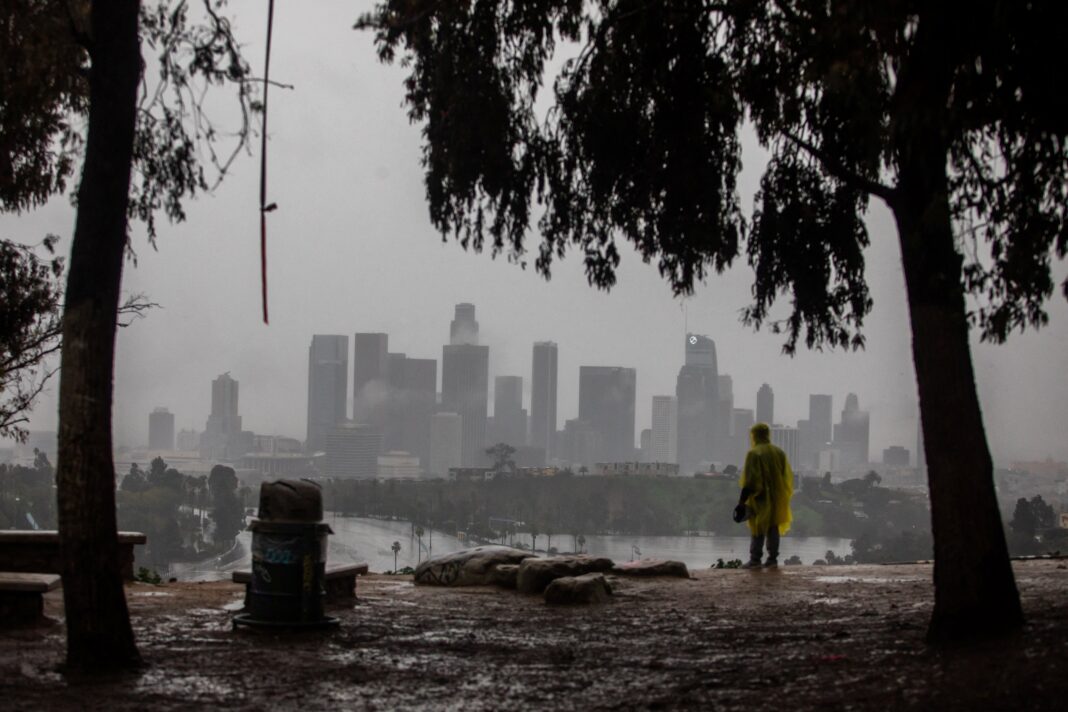
On Wednesday, a powerful winter storm made its presence felt across California, unleashing heavy rain and fierce winds. This weather event generated evacuation warnings in Southern California due to the risk of mudslides and led to treacherous travel conditions for holiday drivers. Forecasters indicated that Southern California could experience its wettest Christmas in years, raising alarms about potential flash flooding and mudslides in areas already compromised by previous wildfires.
Evacuations and Emergency Alerts
Evacuation warnings were specifically highlighted for areas affected by wildfires earlier in the year. In Los Angeles County, officials went door-to-door to inform around 380 homes identified as especially vulnerable. Meanwhile, the San Bernardino County Sheriff’s Department issued evacuation alerts for Wrightwood, a mountain resort town, due to anticipated mud and debris flows from the storm.
Social media videos captured the frightening sight of mud and debris rapidly coursing down streets in Wrightwood, prompting emergency crews to assist in evacuations. Local authorities additionally issued flood warnings for coastal regions, including Malibu, as severe weather continued to grip the state.
Rescue Operations and Road Closures
The storm’s impact was immediate, with the Los Angeles Fire Department actively rescuing individuals trapped in hazardous situations. One notable rescue involved a man who became stuck in a drainage tunnel that led to the river. Fortunately, he sustained no injuries, but evaluations were conducted as a precaution.
Roadway access has been severely hampered with multiple closures due to flooding across various regions. Tensions rose as the storm was expected to intensify through Wednesday afternoon, complicating travel plans during one of the busiest weeks of the year.
Community Experiences Amid the Storm
In Altadena, residents like James Dangerfield took proactive measures to secure their homes. Dangerfield, 84, alongside family members, prepared by placing sandbags around his property ahead of the rain. Living on a hill, he expressed cautious optimism about the storm’s impact despite a flash flood warning in effect for the area.
Community Preparedness
For those in similar situations, the storm didn’t just incite worry but also prompted community engagement. Many families, like that of Mike Burdick, braced for the storm by stockpiling supplies. Burdick, who cares for his aging parents living near burn scars from a recent fire, revealed his morning rush to purchase sandbags after witnessing an overflowing pool. Preparing for possible evacuation, he ensured he had essentials for both the family and their pets.
Weather Predictions and Impact on Travel
Typically, Southern California anticipates about half an inch to an inch of rain during this period. However, forecasters predicted that many areas might receive between 4 and 8 inches, with even higher totals expected in the mountainous regions. As the storm progressed, warnings of heavy snowfall began to emerge for locations like the Sierra Nevada, where near white-out conditions were anticipated, further complicating travel for holiday drivers.
Additional Weather Warnings Across the State
The storm’s effects were not confined to Southern California. Locations across the state, including the Bay Area and Sacramento Valley, faced wind and flood advisories. Wind gusts reached over 60 mph in Monterey, causing significant power outages affecting over 5,000 residents.
California Highway Patrol reported incidents resulting from the severe weather, including a fatal accident believed to be connected to the treacherous conditions. Reports of minor flight delays surfaced at airports in San Francisco and Los Angeles as the storm wreaked havoc on travel schedules.
Government Response
In response to the severe weather, Governor Gavin Newsom declared a state of emergency for six counties, paving the way for state assistance in ongoing storm response efforts. Emergency resources were dispatched, and the National Guard remained on standby as conditions began to escalate.
The Atmospheric River Effect
What makes the storm notable is its classification as an atmospheric river—a meteorological phenomenon characterized by narrow bands of moisture-filled air. This system transports tropical moisture to colder, northern regions, creating the extreme weather conditions now gripping California. The storm has already led to significant damage in Northern California, where flash flooding resulted in rescue operations and, tragically, at least one confirmed death.
Looking Ahead
As California navigates this monumental winter storm, communities will be watching closely, prepared to respond to further challenges as forecasts indicate the potential for more severe weather in the coming days.